


Transport emissions edge up
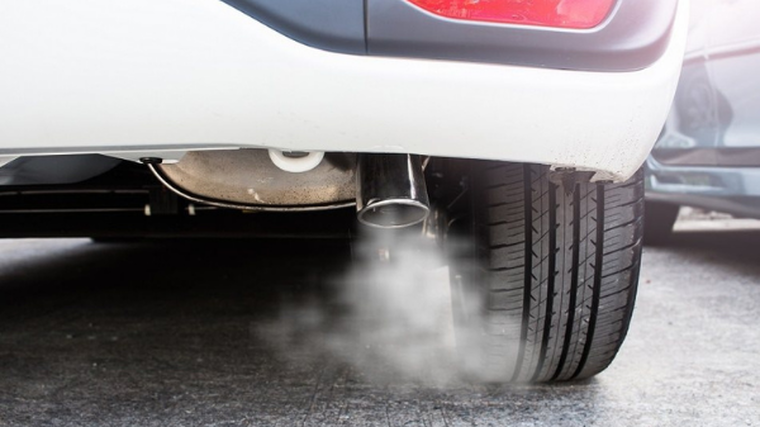
Household transport emissions increased by 1.4 per cent nationwide in 2021 when compared with figures from the previous year, according to the latest data from Stats NZ.
It was a rise of 97 kilotonnes of carbon dioxide equivalents (CO2-e) and came after only five out of the country’s 16 regions managed to cut domestic transport emissions over the same timeframe.
Wellington had the biggest year-on-year drop with such emissions 22 kilotonnes of CO2-e lower in 2021. Canterbury, Taranaki, Auckland and Manawatu-Whanganui also had decreases.
The biggest increase was in Northland, which was up by 26 kilotonnes of CO2-e, followed by Waikato, Bay of Plenty, Otago and Marlborough.
Stats NZ reports transport accounted for just over 88 per cent of household emissions, which in turn made up 10 per cent of total regional emissions in 2021.

Overall greenhouse gas emissions for the regions fell 0.3 per cent, or 198 kilotonnes, to 78,437 kilotonnes of CO2-e last year, when compared with 2020.
Industry emissions fell 0.4 per cent, or 283 kilotonnes, and household emissions rose 1.1 per cent, or 85 kilotonnes. Over the period 2007-2021, total regional CO2-e emissions slipped by 2.6 per cent.
In 2021, Southland had the highest total emissions per capita at 60 tonnes of CO2-e. Taranaki was next on 40 tonnes CO2-e and Auckland had the lowest figure at 5.7 tonnes of CO2-e per capita.
For household emissions alone, the West Coast region was the worst performer with 2.4 tonnes of CO2-e per capita, followed by Waikato on 2.2 tonnes. Nelson was the best performer on 1.2 tonnes per capita.
Covid factor
Stats NZ says greenhouse gas emissions decreased in 10 out of 16 regions when comparing 2021 data with 2019, with Taranaki showing the biggest drop during this period.
Taranaki’s emissions in CO2-e fell by 1,130 kilotonnes, or 18 per cent, over the two-year period. It was followed by Auckland’s drop of 1,049 kilotonnes, or 9.7 per cent, and Northland, which fell 781 kilotonnes, or 16 per cent.
Household emissions decreased in 11 out of 16 regions during 2019–2021 due to Covid-19-related restrictions. Total household emissions across all regions fell 853 kilotonnes, or 9.6 per cent, in that timeframe.
The largest decreases for household emissions came from Auckland, down 471 kilotonnes and 16 per cent, Wellington with a drop of 114 kilotonnes and 14 per cent, and Waikato, where the figures fell 64 kilotonnes, or 5.6 per cent.
Stephen Oakley, environmental-economic accounts manager at Stats NZ, says: “The large decrease in household emissions in this period is due to a general decrease in household transport emissions related to Covid19 travel restrictions.
“In 2021, household transport emissions increased a little as lockdown restrictions eased but they are still below 2019 levels.”