

Rush for rebates leaves out hybrids
Hybrids and low-emitting vehicles have been left out of the rebate scheme being introduced from July 1 to allow the government to put its policy into action as swiftly as possible.
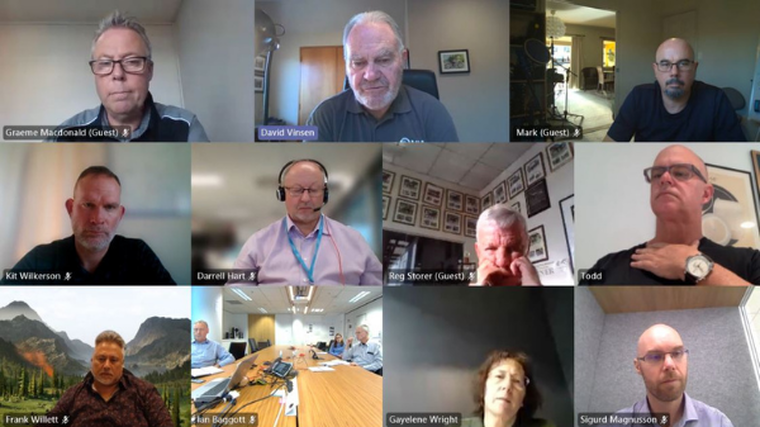
A webinar convened by the Imported Motor Vehicle Industry Association (VIA) heard why the incentives will only apply to battery electric vehicles (BEVs) and plug-in hybrids (PHEVs) for the coming six months.
The clean-car discount will then come into effect from the start of 2022 with discounts or fees for new and used vehicles depending on their level of exhaust emissions.
VIA’s meeting on June 21 to discuss feebates and the fuel-economy standard attracted about 50 members of the industry along with representatives from the Motor Trade Association (MTA), Waka Kotahi NZ Transport Agency and the Ministry of Transport (MoT).
Attendees heard the government is focusing immediately on providing rebates only to vehicles that have a plug for reasons of simplicity.
They were told trying to include the many different variations of hybrids and low-emissions vehicles (LEVs) would have been too complex and led to the scheme not being ready to roll out by July 1.
Most hybrids will be entitled to a discount from 2022 under the government’s clean-car policies, which are subject to legislation being passed, but for how long remains unknown.
The webinar heard how once more people start purchasing EVs then maintaining discounts for high-selling hybrids may become too expensive as the feebate scheme is expected to be cost neutral.
Confusion over policies
VIA’s meeting aimed to clarify any confusion around the purpose and timings of the rebates, clean-car discount scheme and the clean-car standard, which were described as “political footballs”.
Members were told the standard will apply at the time of import and aims to influence what models are brought into the country.
Whereas the discount scheme, or feebate, will be implemented at the point of sale and is intended to affect what the consumer buys. The rebates for BEVs and PHEVs are an interim measure until legislation has been passed and the feebate policy is introduced.
VIA has been working with officials on the clean-car standard for some time and says it was taken by surprise by the “very short notice” regarding the introduction of rebates and the looming feebate scheme.
David Vinsen, VIA’s chief executive, says the webinar shows there is a keen interest among members to “understand what’s coming at us and how to deal with it”.
“This feebate scheme has been leapfrogged ahead of the fuel-economy standard, also known as the clean-car standard, for which a lot of work has been done,” he told Autofile Online.
“Our role is to make sure that whatever is introduced is properly considered and implemented smoothly.”
He described the meeting as positive and adds VIA will continue to hold similar discussions as necessary ahead of the discount scheme being introduced.
Low demand for EVs
Other matters raised at the meeting surrounded how much money in total will be available for rebates, how the policies will affect people bringing in a single vehicle as opposed to wholesalers, and the challenges of increasing the demand for EVs.
Some dealers revealed there is little motivation among lower-income households to transition to EVs, with a number of consumers who have tried such vehicles reportedly reverting back to hybrids.
It was said that often the “hype of EVs is not being matched by the product” in terms of performance and capability.
As a result of the meeting, there are plans for VIA to help bring together a working group that will engage with the MoT to tackle why people may be abandoning EVs and choosing hybrids or cars with an internal combustion engine (ICE) instead.