

MP eyes higher clean-car fees
The fees to be charged on high-emissions vehicles may have to increase substantially if the government decides to offer buyers more discounts for low-emitting cars, an MP warns.
Julie Anne Genter, the former Associate Transport Minister, says the penalties being introduced from 2022 under the clean-car scheme could also have been considerably higher had New Zealand followed the example of other countries.
Her comments come after the government announced a rebate for electric vehicles (EVs) and plug-in hybrids (PHEVs) will kick in from July 1, 2021, with the clean-car discount scheme starting six months later.
Under the policies, high-emissions vehicles will face fees of up to $5,875 depending on their emissions ratings. At the other end of the scale, new EVs costing less than $80,000, including GST and on-road charges, will attract a discount of up to $8,625.
Genter, the Green MP who raised feebate plans during the previous government, told Newshub Nation on June 19 that if she had her way the levies may be higher.
“When people are acting really outraged about a $3,000 fee on a [Ford] Ranger, that’s a pretty small percentage – it’s less than a third of the GST,” she explains.
“If it’s a work vehicle, that is tax deductible. So, I think we need to put it in perspective.”
She also highlights that in countries such as France the levies on high-emissions vehicles are as high as €30,000 (NZ$60,000), which she says may be needed here if we want to give buyers of low-emissions vehicles more discounts. France plans to up its fees to a maximum €50,000 in 2022.
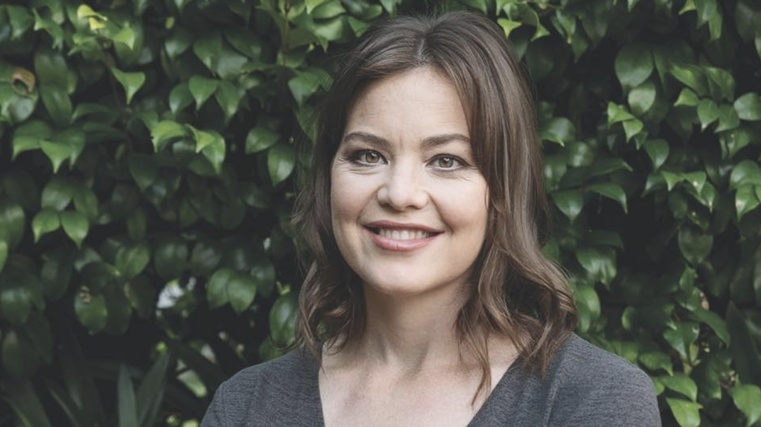
“In order for them [discounts] to be higher, we would have to accept higher fees,” said Genter, pictured. “Maybe we should be making the case for that over time.”
Michael Wood, Minister of Transport, says the clean-car discount scheme is designed to be cost neutral with the fees funding the discounts.
He told Newshub Nation those levies could be bumped up to pay for bigger discounts but there was no intention to make such a move at the moment.
“We’ve set the maximum level of those ... we’ll keep to that.”