

Classroom boost for industry
Thousands of young New Zealanders will have easier pathways from school into automotive and transport jobs with the government announcing plans to introduce nine new trades-related senior secondary school subjects.
The automotive industry will be covered as part of the engineering technology subject being developed by the Transport Industry Skills Board, of which Motor Trade Association (MTA) director Grant Woolford is a member.
From 2029, students in years 12-13 will be able to study the industry-led subjects that are designed to help them develop practical, relevant skills, explore emerging career opportunities, and make confident choices about their next steps
Lee Marshall, MTA chief executive, says the announcement and other government commitments to learners recognise the importance of trades to the country and young New Zealanders.
“At a time when many young people concerned for their future are considering or taking up opportunities overseas, and others worry about the impact of AI, this shows there are real pathways into essential trades for those who want to earn while they learn,” he adds.
“With the growing dependence of modern vehicles on complex and interconnected technologies, the automotive and transport trades represent no less of a challenge than many academic courses.”
Marshall notes the MTA has long argued for automotive, transport and other trades to be given more recognition because they are highly skilled jobs and collectively keep the country moving.
“While ‘engineering technology’ isn’t as specific to the automotive industry as we would like, we appreciate the concept of allowing the system to be broad enough that learners can try different elements of the broad spectrum of engineering and technology-related industries and make their own conclusions on where they can best thrive.”
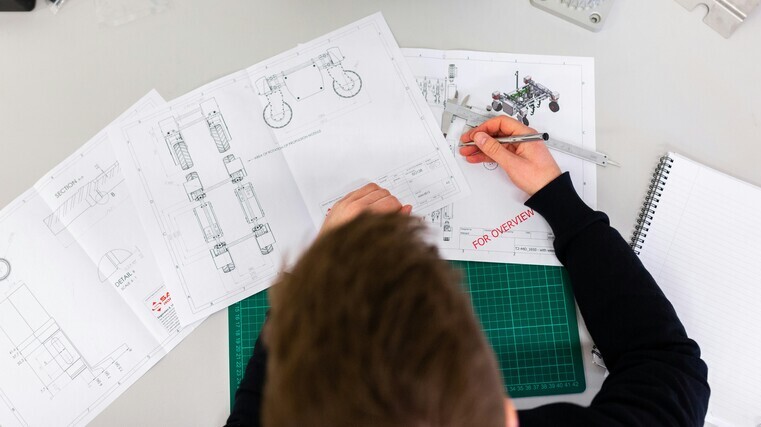
The government says the new subject will teach students about engineering systems, materials and technologies, and develop their ability to test and improve solutions and apply engineering thinking to real-world contexts and problems.
It cites the benefits as introducing students to how systems, machines, tools and infrastructure are designed, operated, maintained and improved across automotive, aviation, freight and logistics, rail, ports, maritime and public transport industries.
Other new subjects being introduced include next-gen manufacturing, applied intelligent systems, construction and built environment, energy and infrastructure, food and fibre systems, health services and care, hospitality food and beverage, and tourism.
The range of “future-focused, industry-led secondary school subjects” was launched by Nicola Willis, Minister for Economic Growth, and Erica Stanford, Minister of Education, on August 6.
They say the subjects will give young New Zealanders more opportunities to connect what they learn at school with the jobs, training and careers of the future.
Stanford adds: “These subjects are being developed with industry to give students an exciting range of options, so businesses know young people are building the skills their sectors need, and students can gain knowledge that sets them up for work, trades, training or university.
“The subjects will have parity of esteem with traditional subjects such as English and maths and count towards students’ secondary school qualifications, and support pathways into university, trades, training or the workforce.
“It is a win for employers who need skilled workers, and a win for students who can see how their learning can lead to better employment options and rewarding careers.”
The government announced $15 million in May’s Budget for creating the new qualifications, and Marshall hopes its investment doesn’t end there.
“The reality is that trades have been undervalued for a long time, and to really invest in attracting learners, skilling and preparing them for the workforce needs ongoing commitment,” he says.
“We’re also calling for greater financial support for employers who take on young apprentices, so they’re rewarded and not penalised for investing in the future workforce.”
He adds the next generation of apprentices entering the automotive and transport trades will have not only the opportunity to earn while they learn in any industry with a comparatively more secure future in an AI world, but they will also find easier pathways into business ownership.