


Petrol prices push up inflation
The consumers price index (CPI) increased 3.7 per cent in the year to the September 2026 quarter, according to new figures from Stats NZ.
It follows a 4.1 per cent rise in the 12 months to the June 2026 quarter, with Stats NZ noting the Reserve Bank of New Zealand’s target band for the annual inflation rate is one to three per cent.
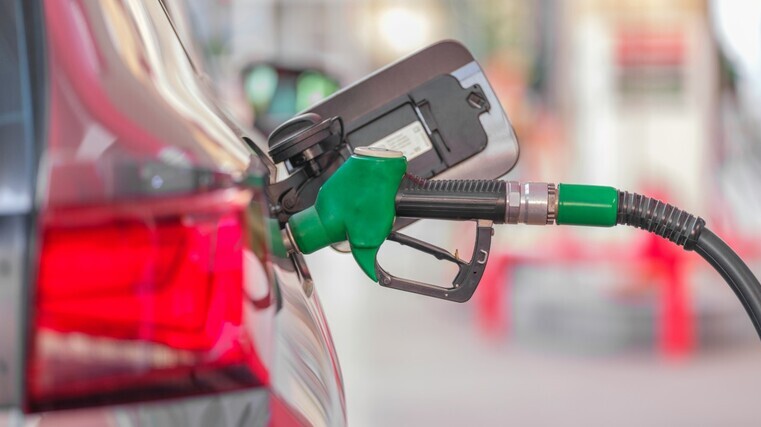
Petrol was the largest upward contributor to annual inflation after climbing 19.1 per cent, which meant it accounted for 17.5 per cent of the CPI’s 3.7 per cent growth.
Nicola Growden, prices and deflators spokesperson, says: “Petrol prices fell in the September 2026 quarter, compared with the June 2026 quarter.
“However, petrol prices remained higher than in the September 2025 quarter.”
If petrol prices had not changed, the CPI would have risen 3.2 percent in the 12 months to the September 2026 quarter.
Other major contributors to the annual CPI increase were the cost of constructing new housing rising 3.2 per cent, electricity going up 9.3 per cent, international airfares climbing 12.5 per cent, and local authority rates and payments jumping 6.2 per cent.
As for the transport group, its prices in the September 2026 quarter were up 10.2 per cent year-on-year. This included the purchase of vehicles rising by 3.6 per cent and private transport supplies and services growing by 14.1 per cent
When it comes to quarterly inflation, this was up 0.7 per cent in the September quarter when compared with this year’s June quarter.
International airfares were the largest upward contributor to that figure after increasing 14.3 percent.
Lower petrol prices were the largest downward contributor to the quarterly shift for the CPI.
“Petrol prices fell 6.5 per cent in the September 2026 quarter after rising 20.1 per cent in the June 2026 quarter,” adds Growden.
The transport group nudged up by 0.1 per cent quarter-on-quarter, with prices for purchasing vehicles alone increasing by 2.1 per cent.