

Tesla acts over salvaged EVs
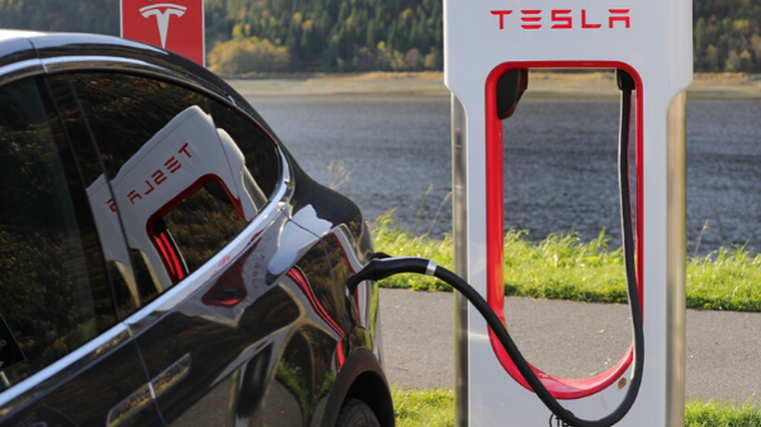
Tesla has seen off a legal challenge from a disgruntled owner over its decision to remotely disable the fast-charging function of two second-hand cars in New Zealand.
The EV maker says it took the action because it believed the vehicles, which had been written off but were set to be repaired and returned to the road, were unsafe to charge and their high-voltage batteries posed a risk of catching fire.
Tesla transmitted the over-the-air updates after learning two salvaged cars listed on the NZTA register as structurally damaged were up for auction, reports the NZ Herald.
A high-court judge who ruled on the case has noted the company has a “remarkable” ability to limit the functionality of vehicles long after their sale.
Peter Goodricke bought the damaged cars at a 2024 auction and the EVs were repaired, inspected and re-registered.
The vehicles charged normally when using a key but after Goodricke opened his Tesla app, software updates turning off the charging functions were performed.
Tesla says internal damage to battery cells can be hard to detect and its unsupported vehicle policy states fast-charging will be disabled until it can assess the risk of fire or other damage.
As Goodricke faced charging the cars via a regular powerpoint at home, he lodged a claim alleging breaches of consumer and fair-trade laws with the Motor Vehicle Disputes Tribunal.
His case was dismissed in September last year, as was a rehearing against the tribunal’s decision, reports the NZ Herald.
Goodricke then applied to the high court for a judicial review of the tribunal’s decisions, claiming Tesla had unlawfully interfered with his property and committed an act of trespass.
Justice David Boldt dismissed the action and ruled the tribunal referee did not err in rejecting Goodricke’s claim.
However, his decision highlights that Tesla, unlike most marques, retains the power to alter a vehicle’s functions long after they have been sold.
To read the NZ Herald’s full story, click here.