


EV subsidies in Japan end
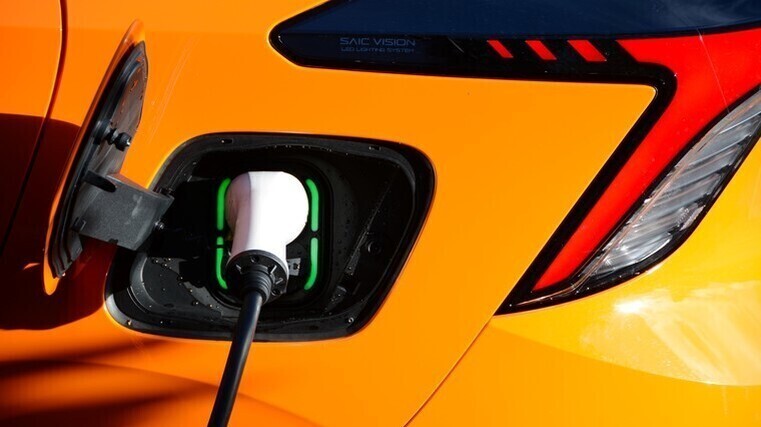
The Japanese government has stopped accepting applications for subsidies on purchases of electric vehicles and other environmentally friendly models.
The move comes sooner than planned because stronger-than-expected sales threatened to exhaust the available funds.
A last-minute surge from EV buyers seeking grants before the funds ran out further accelerated the budget’s depletion, prompting the Ministry of Economy, Trade and Industry to close applications.
The government allocated ¥110 billion, or about NZ$1.28b, for the programme under a supplementary budget for fiscal year 2025 through to March. As of November 21, about ¥930 million remained, raising concerns that claims would exceed funds.
The ministry, therefore, decided to accept only applications received by Friday. Buyers of EVs had been eligible for subsidies of up to ¥1.3m, with plug-in hybrid and fuel-cell vehicles also included in the scheme.
With carmakers launching new models, cumulative EV sales from January to October came in at 111,876 units, report industry associations.
The government had initially set the application deadline for mid-February 2027. As crude oil prices remain high, demand for EVs is likely to grow steadily. To promote their adoption, the ministry has requested ¥110b for similar subsidies in the fiscal-year 2027 budget.
The government and ruling parties, meanwhile, are considering introducing a new tax on EVs in May 2028, reports the Mainichi newspaper. The move is aimed at ensuring fairness because conventional and hybrid vehicles are subject to fossil-fuel taxes based on fuel consumption.