

Cars used by drugs ring
A man has been sentenced following the first-ever prosecution resulting from a Customs trade-based money laundering investigation.
The 46-year-old was jailed for three years and four months by Auckland District Court after pleading guilty to three laundering charges and one representative charge of knowingly providing false export information. Another person, the co-defender, is still before the courts.
Customs’ investigation, dubbed Operation Ozark, uncovered a cross-border trade-based money laundering operation that used a second-hand car and parts business to move and disguise money linked to drug offending.
From November 2020 to April 2024, cash linked to drug offending was used to buy used vehicles and parts in New Zealand. The man exported 101 shipments to Nigeria where the goods were sold and proceeds deposited into an overseas business account.
He also supplied false export information that understated vehicles’ values and, in some cases, incorrectly recorded their year of manufacture.
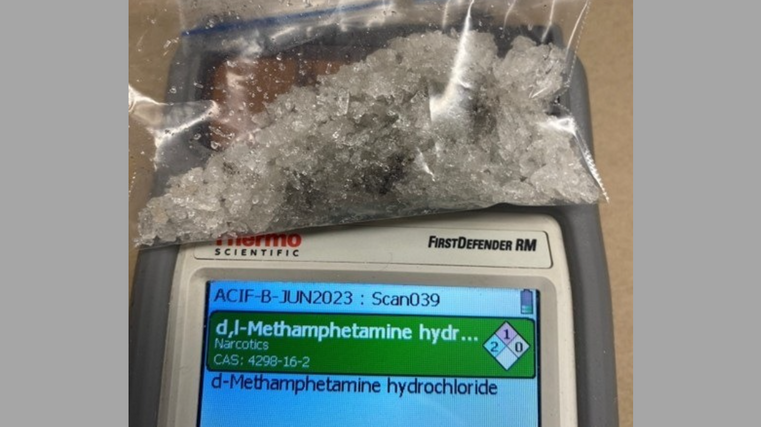
As part of the investigation, Customs and its international partners seized 12 packages destined for Aotearoa containing about 22.6kg of methamphetamine and 34g of cocaine. The packages were intercepted in this country and offshore.
The man also transferred at least $459,600 to Nigerian bank accounts. A joint Customs and police search of his Auckland home found at least $100,000 in cash.
Nigel Barnes, Customs’ acting investigations manager, says the prosecution shows how criminal networks exploit international trade and financial systems to move drugs and disguise their profits across borders.
He adds: “Transnational, serious and organised crime networks operate across borders using layers of people, businesses and financial transactions to conceal their activities and profits.
“Operation Ozark exposed an international cycle of offending involving drugs destined for New Zealand, criminal funds used to buy goods here, vehicles and parts exported to Nigeria, and the proceeds deposited into overseas accounts.
“By converting criminal cash into trade goods and selling them overseas, the network sought to make the proceeds appear to come from legitimate business activity.
“Money laundering enables criminal networks to fund further drug shipments and continue causing harm, while undermining trust in international trade and financial systems. Profit is the lifeblood of transnational and serious organised crime. Disrupting illicit funds limits criminals’ ability to buy drugs, pay associates and finance further offending.
“Customs combines border information, trade data and financial intelligence with information from domestic and international partners to identify activity that does not add up and expose the networks behind it.”