


Shipping safety fears remain
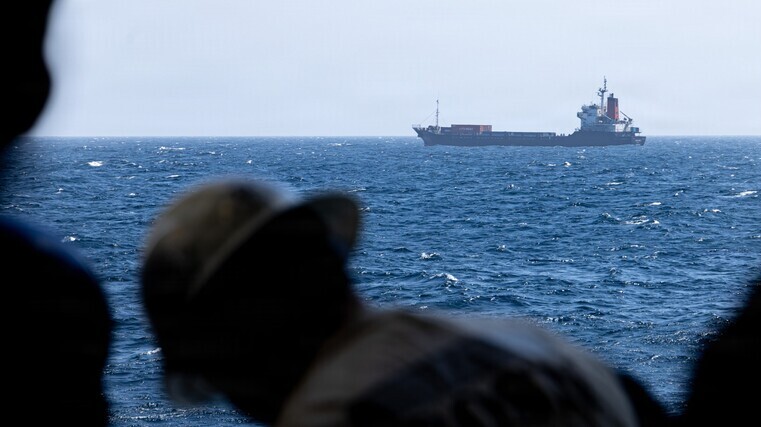
Major issues remain about the reopening of the Strait of Hormuz ahead of an agreement to be inked by Iran and the US on June 19.
The agreement in itself isn’t a peace deal but a memorandum of understanding that marks the start of a 60-day negotiating period and extends the ceasefire for that amount of time.
As part of that ceasefire, Iran says it will reopen the strait and America will stand down its blockade of Iranian ports.
The Baltic and International Maritime Council (Bimco), one of the biggest international associations representing shipowners, says statements made by both countries are unclear and contain insufficient information about key aspects, such as timings and safe routes.
Jakob Larsen, chief safety and security officer, explains: “Due to lack of details and a history of overly optimistic reassurances, the security situation for the industry remains volatile.
“We still consider it very risky for ships to commence transits at this point. We advise shipowners to continue doing thorough risk assessments and appeal to all parties to put seafarers’ safety first.”
As is the case with the International Chamber of Shipping, Bimco believes a neutral body, such as the UN through the International Maritime Organisation, should direct the resumption of marine traffic through Hormuz.
“The next step is for shipowners to be reassured transiting the strait is not only permitted but also safe,” says Larsen. “Ships trapped in the Persian Gulf will be interested in leaving as soon as it’s safe to do so. This must be done in a co-ordinated manner due to the confined nature of the strait.”
Meanwhile, the AA has warned New Zealanders that while the deal between the US and Iran should bring some relief at the pump for motorists, pre-conflict prices shouldn’t be expected anytime soon.
Terry Collins, principal policy adviser, predicts it could be 18 months before Kiwis see prices back where they were at the start of 2026.
“We’ve kind of gone through the worst of the prices,” he says. “Since May we’ve been watching a slow downward on average track of all fuels.
“Our call to oil companies is, just as quickly as they put prices up at the beginning of the conflict, we want to see prices coming down at the end.”
“I think we’re going to settle somewhere around US$80 a barrel. That will mean maybe we get 91 down to about $2.80 and diesel to about $2.10. We’re not going to get back to the beginning of the year when [crude] was US$60.”