


Push to halve city driving
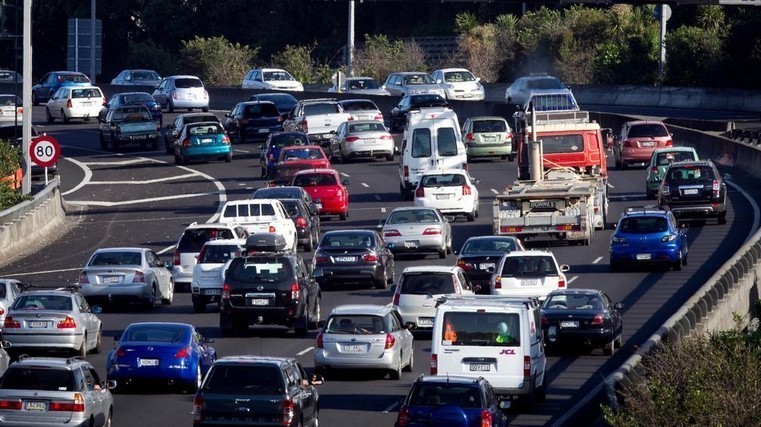
Auckland motorists will need to halve the distance they collectively travel and officials want to electrify more private vehicles if the super city is to hit its emissions reduction goals within eight years.
Those are two of 11 areas the Auckland Council aims to focus on after releasing its Transport Emissions Reduction Pathway (TERP) to help tackle climate change.
The document aims to guide planners and decision-makers as Auckland seeks to achieve a 64 per cent cut in transport emissions by 2030.
Mayor Phil Goff is confident a majority of councillors will support the “radical” plan at a vote on August 17.
“Auckland is seriously behind global cities when it comes to how people choose to travel,” the report, produced after six months’ work by the council and Auckland Transport, says.
The document outlines lifestyle changes required to hit Auckland’s emissions goals, which includes 50 per cent fewer vehicle kilometres travelled by light vehicles. In 2019, Aucklanders drove 16 billion kilometres in their vehicles.
It also says 32 per of the collective distance travelled in Auckland will need to be made by electric vehicles, which will require a massive jump from the less than one per cent in 2019.
“We need more people to swap their car for an electrically powered vehicle, like an e-bike, cargo bike of electric car,” the TERP adds.
“The government needs to increase subsidy schemes so that everyone who wants to can make the switch.”
The TERP pushes for a greater share of trips to be made by public transport, walking or cycling, stating they need to account for 62 per cent of all journeys by 2030. The figure currently stands at 17 per cent.
Measure highlighted in the document to cut distances travelled by car, include people making more use of online services, such as banking and GP appointments, and working from home more often.
The report notes funding to implement the TERP will come from the reallocation of existing budgets and also require additional cash from central and local government sources.
To read a summary of the TERP, click here.