


More loans for EV charger rollout
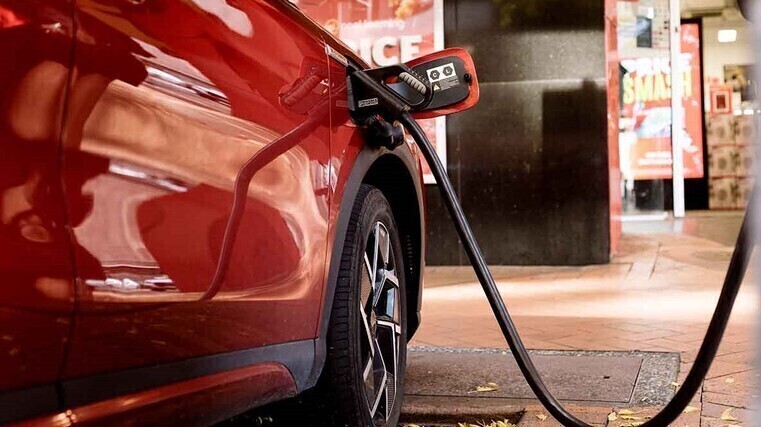
The government is opening a second round of zero-interest loans to encourage private sector investment as the coalition strives to deliver on its goal of 10,000 public EV chargers by 2030.
National Infrastructure Funding and Financing is set to release a request for proposals for the latest round of concessionary loans on August 10.
About $21 million will be available for charge point operators seeking co-investment to deliver portfolios of public charging sites nationwide.
Chris Bishop, Minister of Transport, and Simeon Brown, Minister for Energy, say applications will be assessed through an open procurement process focused on delivering the greatest value for money and the strongest contribution to the growth of the public charging network.
“Many Kiwis are interested in making the switch to an EV to cut down on fuel costs or their carbon footprint, but we continue to hear concerns about access to public chargers, especially for longer journeys outside main centres,” adds Bishop.
“Before this government began addressing the issue, New Zealand had just over 1,800 public charge points – one of the lowest charger-to-EV ratios in the OECD.
“It’s a classic chicken-and-egg situation. Companies are reluctant to invest in new charging infrastructure until there are more EVs on the road, while many people are hesitant to buy an EV until they know charging will be readily available.
“That’s why we’re taking practical steps to unlock greater private investment, expand the public charging network, and give New Zealanders the confidence they need to make the switch.”
The second funding round builds on the first set of concessionary loans announced in March, which will deliver 2,574 new charge points through partnerships with ChargeNet and Meridian Energy.
The concessionary loans on offer can fund up to 50 per cent of eligible project capital costs, have a zero per cent interest rate, and a maximum tenure of 12 years.
Bishop says round one demonstrated strong market demand for the programme and showed concessionary loans can unlock significant private sector investment.
“The projects already underway will more than double New Zealand’s public charging network and represent a major step towards achieving our long-term infrastructure goals,” he continues.
“By 2030, our target is to have 10,000 public charge points across the country, providing roughly one charger for every 40 EVs.”
Brown, who is also a former Minister of Transport, says rolling out more EV chargers will reduce range anxiety for drivers of low and zero-emissions vehicles.
“New Zealanders will make the best choices for their own circumstances, as we are seeing with the greater uptake of EVs without unnecessary subsidies from taxpayers,” he adds.
“With actions like loans for public EV chargers, the government is helping provide the infrastructure and settings to broaden those choices.
“The additional funding will accelerate charger deployment and give the market greater confidence to invest.”
Brown notes concessionary loans lower the cost of capital and help overcome the challenge that charging infrastructure often needs to be built before demand is fully established.
“By partnering with the private sector, we’re bringing forward investment, getting more chargers into communities sooner, and ensuring taxpayers receive good value for money.”