

MTA gains product stewardship ‘voice’

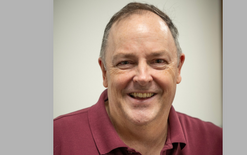
The Motor Trade Association (MTA) has announced Mark Gilbert will be its appointed trustee to the Trust for the Destruction of Synthetic Refrigerants (TDSR).
Lee Marshall, MTA chief executive, says Gilbert was chosen after a competitive selection process and has a wealth of experience and industry knowledge “that makes him the perfect fit for this important role”.
“Cutting harmful emissions from synthetic refrigerants – F-gases, CFCs and HCFCs – is essential to the health of future generations and preventing significant environmental harm,” adds Marshall.
“MTA, Mark and the automotive industry are committed to addressing this issue.”
The government has announced New Zealand will have a regulated product stewardship system for synthetic refrigerants from April 1, 2027.
Anyone selling, charging, degassing, collecting, reclaiming, destroying or exporting synthetic refrigerants will need to participate in the regulated scheme, which the TDSR will deliver and operate.
The trust has collected and destroyed synthetic refrigerants since 1993 and has run the accredited voluntary product stewardship scheme for synthetic refrigerants since 2010.
Gilbert, pictured, is the current chair of Auto Stewardship NZ (ASNZ), which instigated Tyrewise, and the Battery Industry Group (BIG), which has been tasked with creating a product stewardship scheme for end-of-life vehicle batteries.
He is also a former managing director of BMW New Zealand and former chair of the Motor Industry Association.
“Sustainability and clean vehicles are a subject close to my heart,” says Gilbert.
“The whole sector feels a responsibility to reduce environmental harm and I look forward to continuing this work with the TDSR to ensure the scheme is practical and successful for the automotive sector.”
Marshall notes Gilbert’s appointment increases ASNZ’s central role in whole-of-life vehicle product stewardship, tying together the efforts of Tyrewise, BIG and the MTA-developed plastic2eco bumper recycling programme that diverts plastic waste from landfill.
The MTA successfully argued that including the automotive industry in the TDSR was essential, as synthetic refrigerants are used in vehicle air conditioning systems. The automotive sector is estimated to account for about 40 per cent of the gases in usage.
“This seat wasn’t gifted to us – it had to be fought for, and without action we could have seen the auto-sector inadvertently regulated by the heating, ventilation and air conditioning industry,” explains Marshall.
“But now, with a voice, we have the best possible opportunity to ensure the scheme is enacted from April 2027 in a way that is practical and successful for our sector. That’s always been our main goal.”
The regulated scheme, combined with technical progress in the sector, is expected to reduce emissions by an estimated 400,000 tonnes of carbon dioxide equivalent annually by 2030 and support New Zealand’s international climate commitments.
The MTA says it is working through the details of recently announced regulations with officials and will keep members informed about implications for automotive businesses.
To learn more about the TDSR, click here.
For details of the new regulations and product stewardship scheme for synthetic refrigerants, click here.