
Model S and X to go
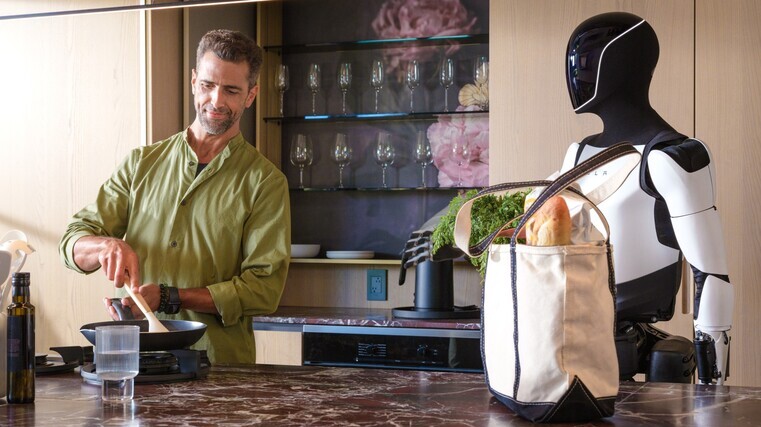
Telsa will end production of its high-end Model S sedan and Model X crossover next quarter and use the California factory space to build an Optimus robot assembly line.
Canning its first volume models is part of the company’s shift from being a company to a physical-AI provider focused on personal autonomous vehicles, robotaxis and humanoid robots.
Elon Musk, chief executive officer, says: “It’s time to basically bring the Model S and X programmes to an end with an honourable discharge because we’re really moving into a future that is based on autonomy.”
The Model S was launched in 2012 as the marque’s first volume model and put the EV start-up on the map for its styling, long range and acceleration.
The Model X entered the market three years later with falcon-wing rear doors. Tesla’s first model, the Roadster, was built in small numbers from 2008-12.
Sales of the Model S, Model X and Cybertruck, when combined, fell by 40 per cent to 50,850 in 2025. Combined deliveries of Tesla’s volume vehicles, the Model 3 sedan and Model Y crossover, fell seven per cent last year to almost 1.6 million units globally, the company said.
“We’re going to take the Model S and X production space in our Fremont factory and convert that into an Optimus factory with the long-term goal of having a million units a year of Optimus robots,” adds Musk with significant numbers being made by the end of 2026.
The ultimate goal of Tesla’s new business model is to transform the global economy to one where so much wealth is produced by autonomous robots that everyone will have high incomes, he says.
Musk predicts just five per cent of driving in the future, and perhaps even one per cent, will be done by humans and most will come from autonomous vehicles although he has yet to give a timeline for when that might happen.
Tesla launched a pilot robotaxi service in Austin in June last year. It’s now installing production lines for its two-door Cybercab, which will begin a slow ramp-up at its Texas factory starting in the first half. It will have no controls for human driving, says Musk.
In its fourth-quarter earnings report, the company adds it will invest US$2 billion in Musk’s artificial intelligence company xAI.
“Together, the investment and related framework agreement are intended to enhance Tesla’s ability to develop and deploy AI products and services into the physical world at scale,” it says.
Tesla is one of several carmakers, including BMW, Hyundai and Mercedes-Benz, looking to develop or deploy human-shaped robots to sort items, lift boxes, carry parts and conduct manufacturing tasks performed by people.
Their skills and interaction with the physical world will increasingly rely on AI, according to robot technology experts.