

One-million milestone looms for market
There were 95,080 new vehicles sold in Australia last month, which was 17.9 per cent more than the 80,639 registered in November 2021.
It takes the year-to-date total to 993,509 units, up 2.3 per cent from 971,429 at the same stage a of last year, according to the latest figures from the Federal Chamber of Automotive Industries (FCAI).
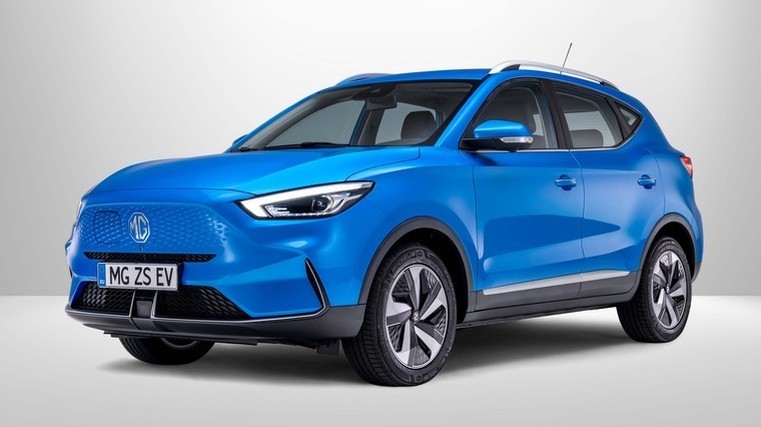
Toyota’s Hilux was the top-selling model in November with 5,440 sales followed by Ford’s Ranger on 5,073 units and Toyota’s Corolla third with 3,732. MG’s ZS, pictured, on 3,051 and Toyota’s Landcruiser with 2,296 completed the top five.
Toyota also topped the marques’ ladder after selling 20,107 vehicles. Mazda was next with 7,549, Ford on 7,165, Kia with 6,120 and Mitsubishi on 5,559.
Tony Weber, FCAI’s chief executive, says the industry is due to deliver its one millionth vehicle to the market before mid-December.
“The automotive sector is continuing to recover from pandemic-related shutdowns, a global shortage of microprocessors and the general supply chain uncertainty we experienced over the last two years,” he adds.
“While this is positive news, many customers are still facing extended wait times for their vehicle, with expected delivery dates for some models beyond 12 months.”
Sales of battery electric, plug-in hybrid and hybrid vehicles continue to rise with 13,415 zero and low-emissions vehicles sold last month. The total was made up of 4,457 BEVs, 8,529 hybrids and 429 PHEVs.
Weber notes the federal government is considering a three-prong approach to increase the uptake of such vehicles, including purchase incentives, increased fuel quality standards and an emissions target for the light-vehicle sector.
He says these plans need to be ambitious, yet achievable and “cognisant of vehicle price, model availability, battery supply and infrastructure requirements”.