


Japan set for snap election
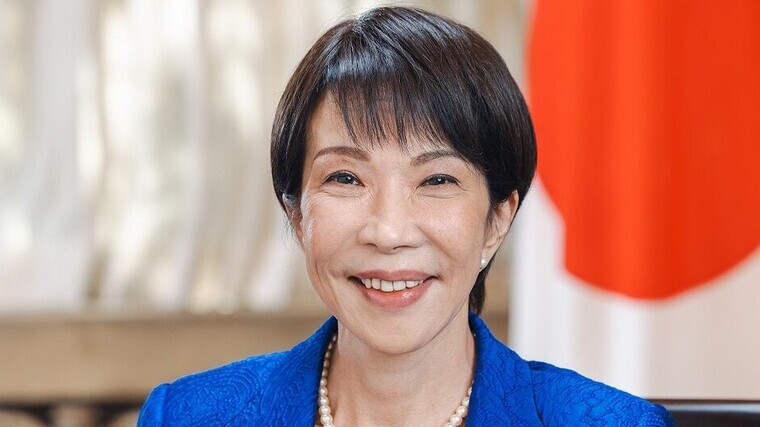
Prime Minister Sanae Takaichi plans to dissolve Japan’s lower house of parliament soon to pave the way for a snap election to secure the public's mandate for her policies.
Takaichi was elected as Japan's first female prime minister in October. A snap election is seen as an attempt to capitalise on her approval ratings of about 70 per cent to help her governing Liberal Democratic Party (LDP) win more seats.
Shunichi Suzuki, secretary general of LDP, told reporters Takaichi told him and other top officials of her plan to dissolve the lower house “soon” after it reconvenes on January 23. No dates were given for a dissolution or a snap election with the PM expected to explain the way forward at a news conference next week.
Her scandal-tainted LDP and its coalition has a slim majority in the lower house, the more powerful of Japan's two-chamber parliament, after an election loss in 2024. With an early election, Takaichi appeared to be aiming for securing a bigger share for the LDP and its new junior partner.
Opposition lawmakers have criticised the plan as a selfish move that would delay parliamentary discussion on the budget, which needs to be approved as soon as possible.
Media reports indicate Takaichi plans to dissolve the house on January 23, the first day of this year's ordinary session, paving the way for a snap election as early as February 8.
Her policies include “proactive” fiscal spending and plans to further accelerate the ongoing military build-up under the coalition with its new partner, the Japan Innovation Party (JIP), says Suzuki.
The conservative JIP joined the ruling bloc after centrist Komeito left due to disagreements over Takaichi’s ideological views and anti-corruption measures.
In late December, she approved a record budget of about NZ$1,340 billion that needs to be approved before the upcoming fiscal year starting on April to fund measures to fight inflation, support low-income households and projects to help economic growth.