

Have your say on road-user charges
Lower rates for cars using cleaner fuels, staggering the introduction of levies for electric vehicles (EVs) and removing the requirement for paper licence labels are among suggestions put out by the government as it eyes changes to the road-user charges (RUC) system.
Members of the automotive industry, along with the general public, are being encouraged to have their say on ideas outlined in a new discussion document to improve the RUC system and support the uptake of low-carbon vehicles.
Te Huringa Taraiwa: Te arotake I te pūnaha utu kaiwhakamahi rori – Driving Change: Reviewing the Road User Charges System has been released by the Ministry of Transport (MoT) and covers issues for light and heavy vehicles.
Key topics include how RUC might be used to charge for greenhouse gas (GHG) emissions and other factors beyond damage to the roads, and how light EV owners can move into paying RUC when the exemption for these vehicles ends in March 2024.
Submissions close on April 22, 2022, and the MoT expects a package of measures for consideration will be submitted to the government in August this year.
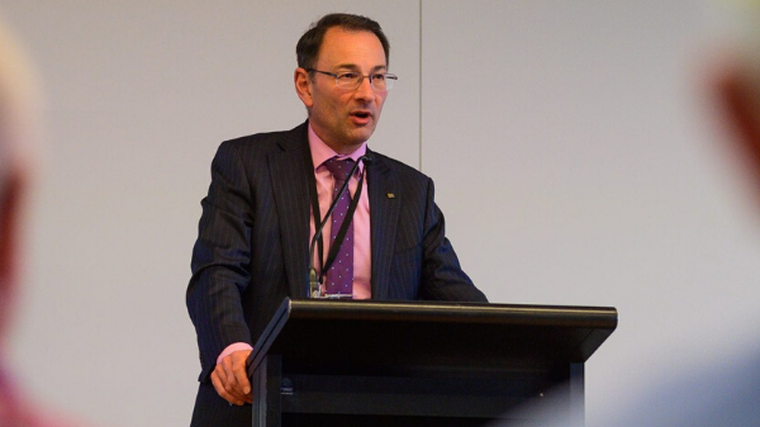
Peter Mersi, pictured, Secretary for Transport, says: “Some of the proposals will give us an opportunity to reduce the costs of administering RUC, improve compliance and the value for money delivered by this system.
“Depending on the results of the consultation, we expect some changes could be implemented as early as mid-2022. More significant changes would involve further consultation and changes to legislation, and would come into force no earlier than 2023-24.”
The last significant amendments to the RUC Act were made in 2012. But since then, the number of light diesels subject to charges has increased and eventually owners of EVs will also pay fees in increasing numbers.
The MoT’s 80-page document has 89 specific questions for submitters to consider when providing feedback.
It notes a recommendation last year from the Climate Change Commission was for government to encourage the production and use of low GHG-emissions fuels.
“One of the main reasons to allow climate policy or greenhouse gas emissions to be considered when setting RUC rates is that vehicles powered by low-carbon fuels are currently more expensive than their fossil-fuel counterparts,” the document explains.
“They either require the use of fuels that are more expensive to purchase, such as biofuels, or require the purchase of new and more expensive vehicles as in the case of EVs. In the case of hydrogen, both the vehicles and fuel are significantly more expensive than diesel or electric alternatives.
“Providing an exemption or reduced rate of RUC could help support and promote the uptake of new fuels. This would be most relevant while the transition to low-carbon fuels, and to lower-cost technologies, is occurring.
“This assistance would most likely be through exempting vehicles subject to RUC – as happens with EVs – or through charging a lower RUC rate than equivalent petrol or diesel vehicles to offset higher operating costs.”
It adds such exemptions or reduced rates would likely need to be temporary, as it is currently with EVs, to minimise any long-term risk to the funding of the land-transport system.
The MoT also asks for submissions to address how RUC rates could be set for vehicles that use more than one fuel and fuels with different GHG emissions.
With regards to the current regime for EVs, it is seeking views on the advantages and disadvantages of enabling partial rates to help eventually move exempted vehicles to full RUC rates.
Other matters for consideration include distance-based rather than time-based exemptions to RUC for EVs.
Labelling legislation
Officials are also pondering removing the requirement for light vehicles to display a physical or digital RUC licence, which they say would make the system “simpler and more cost-effective”.
It notes this proposal only relates to light vehicles and would enable RUC licences to be purchased in increments of less than 1,000km.
“We are taking the opportunity in this discussion document to also consult on the related issue of the requirement to display vehicle-licensing labels,” the document continues.
“In future-proofing the land-transport system and in-line with the proposed changes to RUC label requirements, it is proposed to remove the requirement to display a physical motor-vehicle licence [rego] label.
“We note that requirements to display equivalent physical labels have been removed gradually since 2011 in comparable countries, such as Australia and the UK, without any reported effects on compliance.”
Also up for discussion is adjusting fines and infringement fees for breaches of the RUC Act, requiring inspection of odometers on RUC vehicles at the time of warrant or certificate of fitness inspections, and amending the definition of EVs in legislation.
Section 5 of the RUC Act defines heavy and light EVs as having “motive power wholly or partly derived from an external source of electricity”. The MoT adds there is no definition of what “partly” means in this context.
“There is a risk that any exemption provided to EVs could be exploited by making relatively simple modifications to enable a vehicle to travel short distances on electric power and, therefore, claim the exemption,” the document adds.
“There are a range of options for defining ‘partly’ that could warrant consideration. These include a requirement of being able to drive a minimum distance on a public road on electric power alone, or having a minimum kWh contribution to motive power from the battery.”
Michael Wood, Minister of Transport, has written a foreword to the document. In it, he says he’s interested to see whether better use of the RUC system can “help promote the uptake and use of vehicles with low-carbon emissions to help us meet our climate goals”.
“Many of the changes discussed here could be significant for the RUC system if they were implemented,” he says. “This is why we are using this discussion document to get your views before we propose any legislative changes.”
To view the discussion document, or to make submissions, click here.