


Tribunal’s workload soars

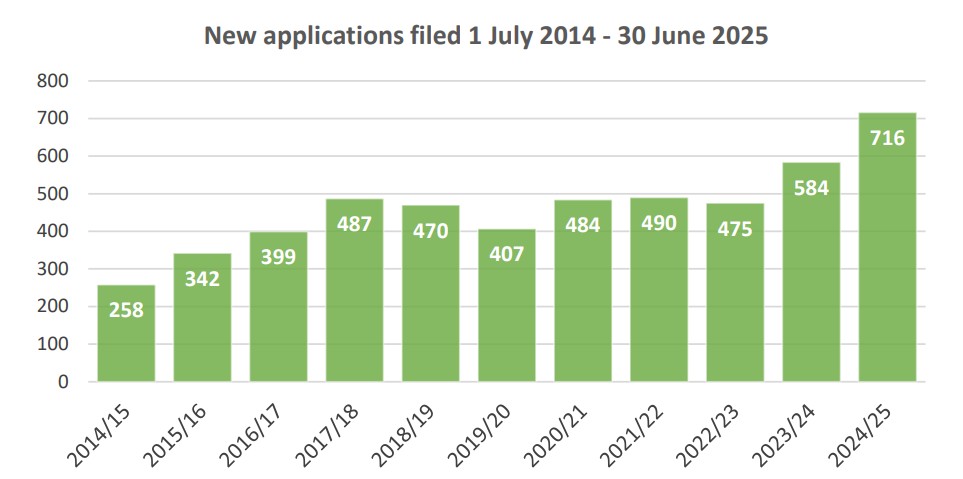
There were 716 new applications filed with the Motor Vehicle Disputes Tribunal (MVDT) in 2024/25, a new annual record after jumping by 132 cases from the previous year.
The MVDT’s annual report for the year to the end of June 2025 was released this month and highlights the increase in applications, which has grown to more than double the number received in the 2014/2015 reporting period.
They were 258 back then but the total has climbed over the years and reached 584 in 2023/24 before recording a 22.6 per cent rise to total 716 in the latest spell,
The MVDT’s report notes it had 174 applications on hand at the start of 2024/25 and at the end of the reporting period that figure was down to 105 cases.
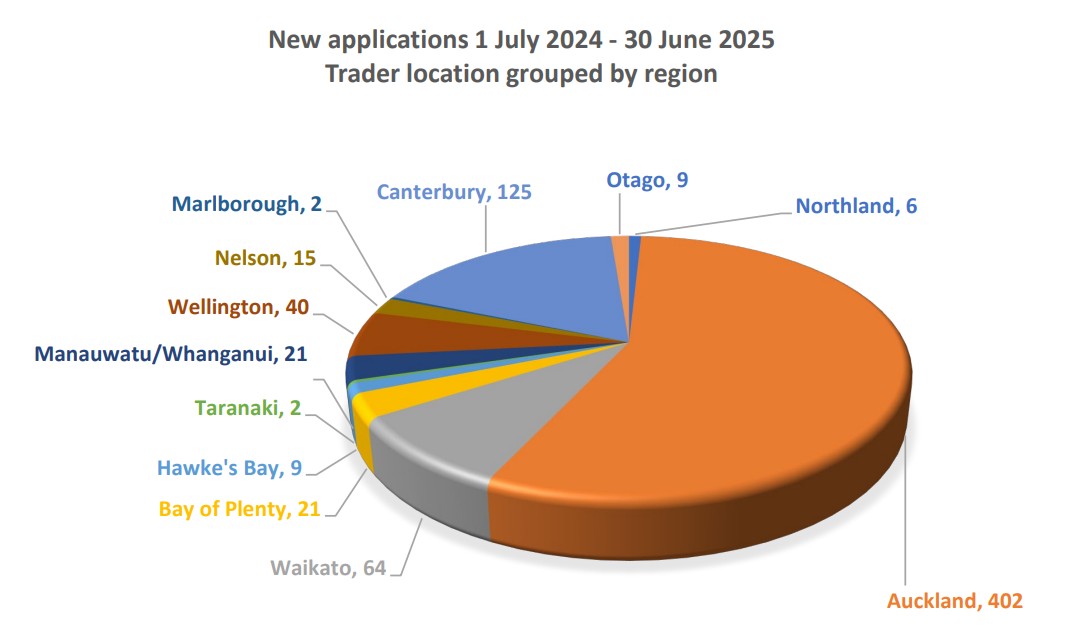
“The 716 new applications received came from throughout the country… [but] the majority of new applications involved motor vehicle traders in the Auckland region,” the report says.
A breakdown of the case numbers shows 402, or 56.2 per cent, were from Auckland, with Canterbury next on 125, or 17.5 per cent.
Waikato’s 64 was the third highest number of applications, while others to make it into double digits included Wellington on 40, Manawatu/Whanganui with 21, Bay of Plenty on 21, and Nelson with 15.
The tribunal closed 785 applications in the latest reporting period, with 241 settled or withdrawn. A further 166 were allowed, 159 dismissed and 130 allowed in part.
Of the remainder, 43 were struck out, 32 led to a consent order being issued and 14 were transferred to the district court or disputes tribunal.
“The high number of applications settled or withdrawn without the tribunal being required to determine the claim, reflects the tribunal’s role to encourage the parties to resolve their disputes in a timely and cost-effective way, which includes the motor vehicle trader having to discuss the application with the applicant and make a written report to the tribunal of the outcome,” the report adds.
“The tribunal held 521 hearings in this reporting period. Where a hearing is required, the tribunal aims to have the matter heard and a decision issued within three months of the application being filed.”
Cases closed
Of the 785 cases closed in 2024/25:
• 517, or 65.9 per cent, were closed within three months from the date received;
• 217, or 27.6 per cent, within three to six months;
• 50, or six per cent, within six to nine months; and
• One, or 0.5 per cent within 14 months.
Key learnings
The MVDT explains the complexity of cases before it is increasing, often because of the nature of the technical evidence arising, and highlights key lessons for traders from a selection of decisions mentioned in its report.
It notes that even where a buyer is allowed to reject a vehicle, the tribunal may refuse some additional costs if they are not a reasonably expected result of the problem. “This is relevant when a buyer claims a long list of expenses on top of rejection,” it says.
Traders are urged to manage document versions, record any changes and provide the buyer with a final signed copy because where there is more than one signed sale agreement, disputes can shift to which document applies and how it was signed.
Repairs should follow a clear process as when a vehicle has several faults and repairs take place over months, the MVDT will look at each fault and each repair. “It will also consider whether the buyer has kept or lost the right to reject. Traders should keep a clear timeline of reports, inspections, repairs and communications.”
For cases involving rust, the key question is often whether it is only on the surface or is structural. “Traders can reduce disputes by documenting condition at sale,” the report explains. “This includes photos and, where the risk of rust is higher, considering an independent assessment.”
Traders are advised not to overstate warranties or special offers, and if a vehicle is advertised with a warranty, a buy-back option, or other protections, the sale terms must support those statements. “Where a trader tries to rely on conditions that are not in the contract, the tribunal may find misrepresentation. It may also find a failure of acceptable quality.”
Finally, the report notes that where serious failure happens months later, the MVDT may not accept a rejection claim unless the buyer can show, on the balance of probabilities, that the defect existed at the time of sale.
“Continued driving after warning signs, without proper inspection or servicing, can weaken a buyer’s case. Traders should keep records of inspections, the advice they gave, and whether the buyer chose to keep driving.”
The MVDT says the cases mentioned in the report reinforce that traders are in a stronger position when they do the basics well.
“That includes accurate advertising, clear sale documents, thorough pre-sale checks and prompt, well-recorded responses to faults and complaints.
“These steps will not remove all risk, but they can reduce escalation and help resolve issues on a fair and practical basis.”