

To go electric, or not?
Toyota is expanding its line-up of electric vehicles to four models in the US this year, but Honda has canned five EVs in the pipeline.
Chevrolet’s Bolt is making a comeback, Kia is spending up large to develop a battery-powered ute and Stellantis has taken a multi-billion-dollar hit to cancel one.
Amid a cooling market for EVs, some carmakers are downscaling product plans while others are pushing forwards. The different approaches reflect each company’s assessment of its exposure to changing market conditions as to where to place bets.
Questions need to be answered in that process. Is the vehicle too far along in development to scrap? Can profits from selling fossil-fuelled pick-ups and SUVs cushion continued EV losses? How do marques design portfolios for the American and global markets with different emissions regulations?
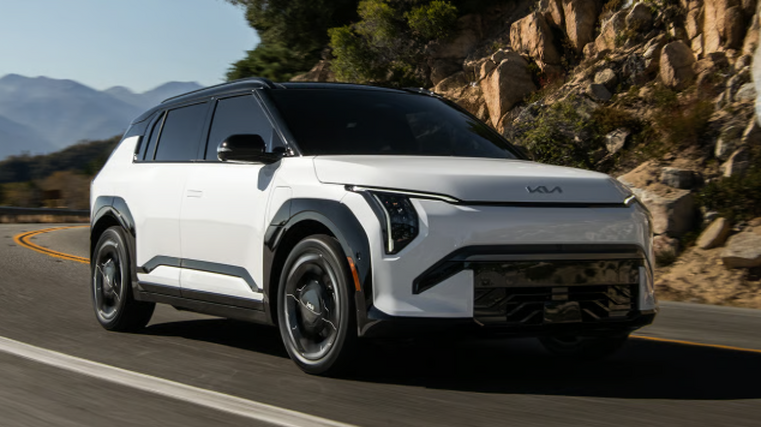
Take Kia, for example. At the New York International Auto Show in April, executives said the EV3 sub-compact crossover, pictured, will be the brand’s “most attainable” EV when it goes on sale in the US late this year. Separately, on April 6, Kia promised to roll out mid-sized electric and range-extender pick-ups in the States by 2030.
In contrast, Honda said in March it will cancel the Acura RSX and two Afeela EVs from its joint electric-car venture with Sony. It expects losses of up to US$15.8 billion as a result.
Honda and the Detroit 3 – Ford, General Motors and Stellantis – have collectively booked about US$70b in restructuring costs and write-downs related to EV production capacity and cancelled programmes, which reflects how much they overestimated the market’s growth.
However, the charges also “could be a bit misleading” about their directions, says Itay Michaeli, a US auto analyst at TD Cowen. In general, he adds they aren’t a sign of an about-face because there’s still a “pretty healthy product cycle coming”.
Ford, for instance, has reported about US$21b in EV-related charges after canning the all-electric F-150 Lightning pick-up and three-row electric crossovers.
But the blue oval isn’t out of EVs altogether. It’s preparing a US$30,000 midsize ute on its new universal EV platform, which is due out next year, and says its Model e EV unit should turn a profit in 2029.
GM has cut output at its EV factories to better match supply with demand, but has not cancelled any models other than Chevrolet’s BrightDrop van. The company will work to keep its existing line-up relevant while investing in new battery chemistries and reducing costs.
Product delays reflect a change in execution, not strategy, Stephanie Valdez Streaty, director of industry insights at Cox Automotive, told Automotive News in the US.
Companies must balance EV investment against tariffs and the loss of consumer tax credits. Some will cancel programmes that no longer make financial sense to save capital, while others might be able to withstand short-term EV losses while they scale.
Valdez Streaty says: “They’re on different timelines, but they’re committed. We’ll start to see this year who starts to lead and who falls behind.”