


Tips on detecting flood damage
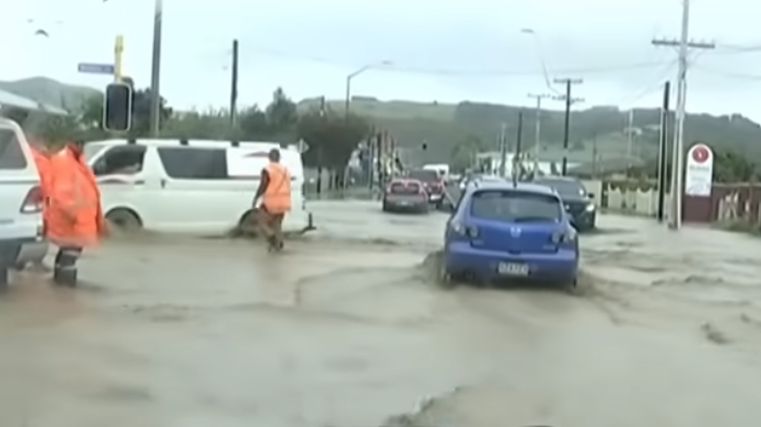
Toyota NZ is warning consumers to take extra precautions when purchasing used cars to ensure they aren’t flood-damaged.
While most caught up in February’s storms will be write-offs, uninsured vehicles could be dried out and snuck onto the used-car market.
James Jewell, the company’s technical service manager, recommends getting potential purchases fully checked out by a trustworthy expert.
“Insurers will quickly write off a car if water has been inside the cabin as the NZTA’s certification guide is specific on a large number of components that need to be replaced,” he says.
James says flood water will leave very fine silt, staining or early signs of rusting on untreated steel components inside the car. These can be observed with careful inspection.
“Safety components, such as airbag inflators and seatbelt pre-tensioners are highly vulnerable to moisture. Seatbelt devices that pull them tight in a collision are under a seat and easily damaged by water. They may dry out, but could then malfunction and not operate as intended causing early deployment, no deployment or more force than intended.”
For vehicles that have been driven in flood water, but have had no water in the cabin, there are other potential problems.
James says many owners of four-wheel-drive SUVs and utes think they can drive through deep water unscathed. However, all vehicles should not go through water deeper than recommended. For example, the maximum wading depth for a Hilux is 700mm.
“Any higher than maximum wading depth is going to result in water entering breather pipes for transmissions and differentials,” he says. “A tell-tale sign of water getting into driveline fluids is milkiness. If the fluid looks like strawberry milkshake or mushroom soup, you’ve got water in the oil, and it needs to be flushed and replaced.”
Even SUVs or utes fitted with a snorkel aren’t immune. James says snorkels are designed to provide clean dust-free air to the engine, “not turn utes into submarines”. “If you have driven your vehicle through high flood waters, I would get it serviced immediately and replace transmission and drivetrain fluids.”