


Slow transition to EVs forecast
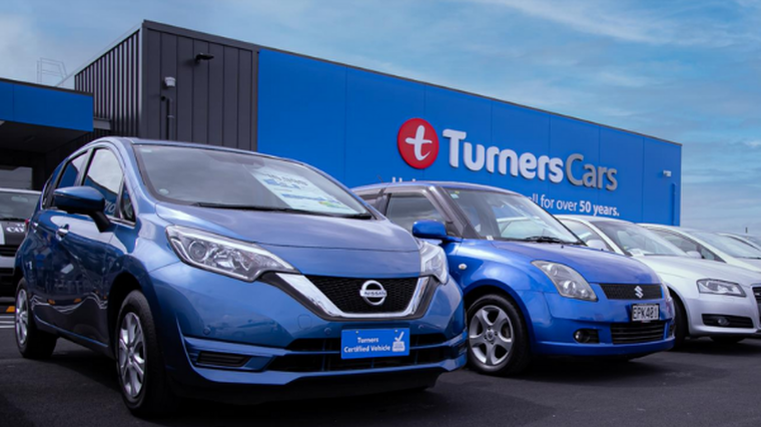
Turners Automotive Group is warning that used electric vehicles (EVs) continue to be difficult to source and for now it is mainly focusing on lower-emissions vehicles, especially hybrids, to replace older cars in the fleet.
The company says it recognises the role it can play in helping the government meet its goals to cut carbon dioxide emissions (CO2) from New Zealand’s fleet but predicts cleaning up transport will be a “long-term journey”.
Turners notes EV and hybrid sales are growing as a percentage of total cars sold across the business and as more corporate and government fleets make the shift to low-emitters, it predicts these numbers will increase further.
However, it adds that securing EVs is challenging and consumers may have to make a gradual shift in reducing emissions from their vehicles.
Its comments come in Turners’ annual report for the 2022 financial year, which was released to the NZX on June 29.
“Unfortunately, used EVs continue to be difficult to source,” explains the company. “Japan is the major source of used vehicles for New Zealand and there are only 303,000 EVs in the Japanese vehicle fleet out of a total of 78 million cars.
“New EV sales in Japan in 2021 were 20,000 against new car sales of 4.4 million.
“We believe that it is a long-term journey to transition New Zealand’s fleet and an integral part of this is to support people moving from older, high-emission vehicles to newer, lower-emission vehicles.”
Over time, as second-hand EVs become more affordable and accessible, Turners predicts more people will make the switch to such vehicles.
“In the meantime, sourcing lower-emission vehicles, particularly hybrids, to replace older vehicles continues to be a key focus for Turners,” it adds in the report.
“We also expect other alternative fuel vehicles, such as hydrogen, to become more prevalent over time and will continue to monitor international and market trends in this area.”
Turners says it also works with vehicle vendors, including insurance companies, to ensure end-of-life vehicles are responsibly managed out of the fleet.
It de-registered more than 17,000 old or damaged vehicles, which were then onsold to wreckers and recyclers, in the 2022 financial year.
The group notes as part of its efforts to contribute to a lower-emissions future, it has continued to invest in Turners Subscription and, in partnership with the Energy Efficiency and Conservation Authority, has expanded its subscription EV fleet.
It currently has more than 100 vehicles on subscription of which more than 40 per cent are EVs or hybrids.
“We also take sustainability into account when building new sites and premises. We are piloting solar power installations in two of our sites and have installed rainwater retention systems in another two sites,” the report continues.
“We are in the process of establishing and measuring emissions targets and look forward to reporting to shareholders as we move ahead with our sustainability reporting programme.”
Used-car sector ‘resilient’
Turners’ annual report reiterated the financial results and record profit it announced to shareholders and the NZX on May 24.
Net profit before tax grew 15 per cent to $43.1 million in the year to March 31, which also meant profits have increased by 48 per cent since the 2019 financial year when they were just $29m.
Looking ahead, the group’s Grant Baker, chairman, and Todd Hunter, chief executive, say they see opportunities to grow the business and its market share despite global economic challenges over the next 12 to 24 months.
“As we head into an economic environment that will offer up different challenges and opportunities, the business has already been significantly de-risked and we are continuing to extend our competitive moat and build scale,” the pair say.
“In auto retail, we expect to see upside from our new branches in the second half of the financial year. We are still anticipating a supply-constrained market for the next few years due to the impact of a shortage of semiconductors, disruption to material supply and impact of government regulation.
“Registered dealer numbers are at the lowest point in the last five years and we expect these to track down further due to sector challenges.
“One of the most attractive aspects of the used car market is that it is a needs-based purchase and therefore more resilient and less affected by changing economic conditions.”