


Rebuild poses ‘upside risk’
Despite widespread speculation about whether the Reserve Bank would persevere with interest-rate hikes in the wake of devastation from recent flooding, it remained resolute in reining in inflation at its February monetary policy statement.
Alongside its 50 basis points increase in the official cash rate (OCR), the central bank continues to project it will peak at 5.5 per cent over the coming year.
Christina Leung, principal economist at the NZ Institute of Economic Research (NZIER), says: “We expect a lower OCR peak of five per cent as the negative impact of higher interest rates on demand becomes more apparent from mid-2023.
“However, we recognise the upside risk stemming from the impact of the rebuild on capacity pressures in pockets of the economy.”
In recent weeks, the northern floods and Cyclone Gabrielle have wreaked havoc across many regions and presented new economic challenges. The widespread destructions came with businesses and households already feeling downbeat.
Prior to the extreme events, the NZIER’s quarterly survey of business opinion showed business confidence already at record lows.
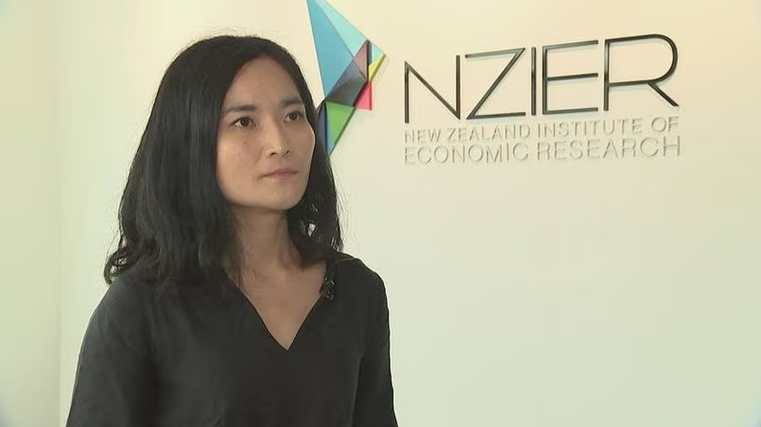
Leung, pictured, says: “Even before the floods and Gabrielle, businesses had already been pessimistic about the outlook. The extreme weather has added to the woes of many businesses, particularly in affected regions.”
Rebuilding will mean a tough balancing act, she warns. While it’s too early to put a solid estimate on the cost of damages, preliminary estimates by Finance Minister Grant Robertson suggest it will be about $13 billion.
Beyond replacing damaged property and stock, reconstruction over the coming years will underpin growth, particularly from 2024. This, says Leung, could exacerbate capacity pressures in the economy just when there were starting to be early signs of cooling.