


Petrol imports fuel record deficit
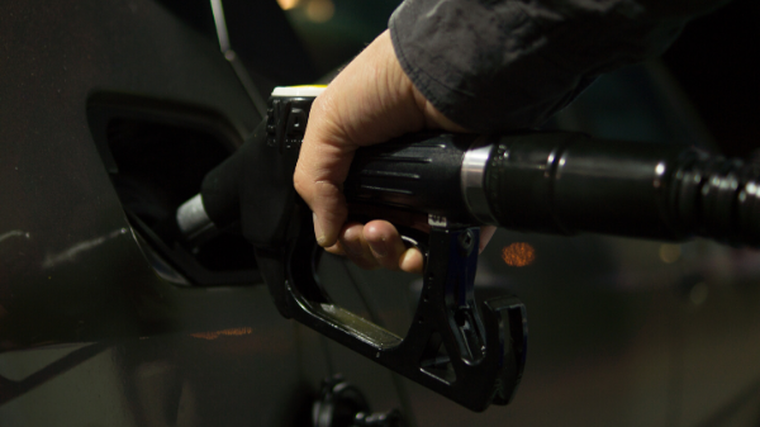
Petroleum and products imports reached a new high of $1.2 billion in June after increasing by $795 million when compared with the same month a year ago, according to new figures from Stats NZ.
The rise was the main contributor to a $1.4b, or 24.6 per cent, increase in total imports over the same timeframe.
Total imports last month were valued at $7.1b, while exports came in at $6.4b to deliver a deficit of $701m for the month. This is the largest June deficit on record.
Imports of vehicles, parts and accessories totalled $851m last month, which was down 12.9 per cent from $977m in June 2021.
For passenger motor cars alone, the year-on-year decline was 10.9 per cent after slipping from $553m to $493m
However, for the 12 months to the end of June this year, the value of vehicle imports was $10.4b. This was up $2.1b, or 24.4 per cent, from $8.3b in the previous year.
The jump for imported cars during the same period was 20 per cent after it recorded $6b in the year ended June compared with $5b.
Stats NZ released its latest overseas merchandise trade figures on July 21 and notes petroleum imports helped fuel the record deficit.
It says the main categories of petroleum products are crude oil, diesel, and petrol. Crude oil imports have stopped since the Marsden Point refinery ceased refining operations as of April this year.
Diesel imports rose $589m in June 2022 to reach $658m, and petrol imports rose $312m to reach $335m. These increases in values were mainly quantity driven, however unit prices are also at a high level, explains Stats NZ.
Alasdair Allen, international trade statistics manager, says: “Since the recent closure of the Marsden Point refinery, more refined petrol and diesel are being imported.
“The value-adding, which occurs offshore prior to arriving in New Zealand, contributes to the increases in the total import value.”
The latest figures also contributed to a trade deficit of $10.5b for the June 2022 year, which is the largest since the series began in January 1960 and compares with just $277m for the previous year.