

Petrol and diesel shift

Australians are rapidly changing the type of cars they buy with data showing a significant shift away from petrol and diesel models toward electrified alternatives.
Battery electric vehicles (BEVs) accounted for a record 20 per cent of all new-vehicle sales in May to mark the highest monthly market share to date.
VFACTS data shows Australians purchased 100,206 new vehicles last month with overall sales declining by 4.8 per cent compared with May 2025.
Electrified vehicles more broadly, including BEVs, conventional hybrids and plug-in hybrids (PHEVs), accounted for 46 per cent of registrations from all sources during the month.
Tony Weber, chief executive of the Federal Chamber of Automotive Industries (FCAI), says the results demonstrate the pace of consumer adoption of lower-emissions technologies in response to an international shock.
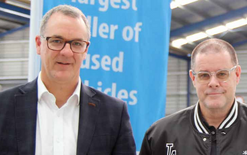
“The shift is particularly evident in the SUV segment where preferences are changing rapidly,” adds Weber, pictured. “Today’s SUV buyer is increasingly choosing hybrid, PHEV and all-electric options.”
In the dominant SUV segment, BEVs were up 167 per cent compared with May 2025 and PHEVs increased by 377 per cent, while sales of petrol SUVs declined by 31 per cent and diesels fell by 41 per cent.
Toyota remained Australia’s leading brand during May with 16,342 sales followed by BYD with 8,211 and Ford on 7,195. Emerging brands continue to record strong growth, reflecting increasing competition across the market.
BYD increased sales by 155 per cent compared with May 2025, while Omoda Jaecoo recorded growth of 729 per cent and Geely increased deliveries by 416 per cent.
Stronger EV adoption places greater pressure on charging infrastructure. “As the number of EVs on the road continues to grow, charging infrastructure must become more of a priority,” says Weber.
“Continued investment and enabling policy settings will be essential to ensure it keeps pace with consumer adoption. Charging infrastructure rollout must accelerate if Australia is to maintain consumer confidence and support continued uptake.”
The FCAI and its members continue to respond to the new-vehicle efficiency standard (NVES) by increasing the supply of low-emissions vehicles to the market.
“The evidence increasingly demonstrates the NVES is encouraging manufacturers to bring more low-emissions vehicles to Australia, increasing consumer choice and technology availability.
“Regulatory stability and growth in public-charging infrastructure is now critical to maintaining investment, consumer confidence and continued growth, particularly during global economic uncertainty.”