
Motor finance rising for Heartland
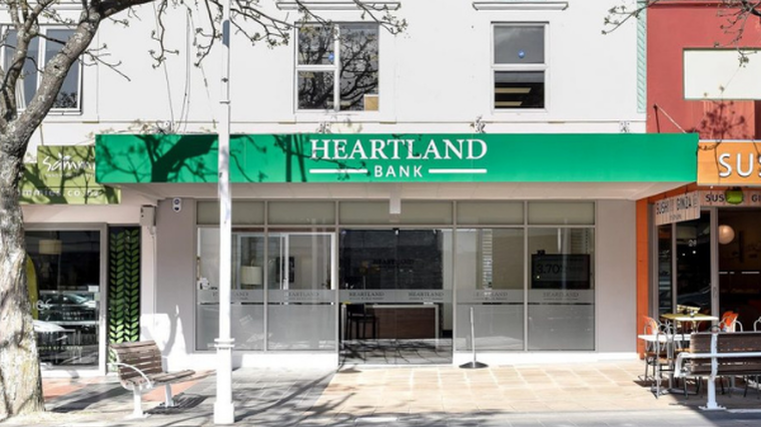
Heartland Group Holdings’ motor finance division has seen its net operating income reach $73.1 million in the year to the end of June 2022, a rise of 5.6 per cent when compared with the previous 12-month period.
Receivables over the same period increased by seven per cent from $90.8m to $1.38 billion, the company explains in an investor presentation on its results for the 2022 financial year.
It says growth in motor finance was mainly from the dealer book via car dealerships, brokers and partnerships such as Kia Finance, Jaguar/Land Rover Financial Services, and Peugeot/Citroen through Auto
Distributors New Zealand Ltd under the iOwn brand. Heartland notes Auto Distributors have also been appointed the distributors for Opel, which is due to arrive in late September.
“Motor has not only grown but has also benefited from improved quality as the volume of new car business in that book continues to increase. At the same time, Heartland’s personal loans portfolio has reduced,” it adds.
The company says increases in revenue and receivables may have been higher had it not been for the coronavirus pandemic and the government implementing new Credit Contracts and Consumer Finance Act (CCCFA) legislation last year.
“Growth in the 2022 financial year was hindered by Covid-19 and the unintended effects of changes to the CCCFA introduced on December 1, 2021, which considerably reduced application automation rates and impacted conversion rates,” it says.
“Since implementing a new process for premium customers, application automation rates have started to increase.
“Portfolio performance returned to more normal levels in the last quarter of FY2022, recording a 194 per cent increase in growth on the previous quarter and producing an annualised growth rate of 7.4 per cent for the quarter.”
Looking ahead, the company says continued market share gains in motor and asset finance is expected to underpin growth in markets that have seen supply disruptions and a decline in confidence.
Going green
Heartland says it is financing an increasing number of electric and hybrid vehicles, with such models accounting for five per cent of deals in the 2022 financial year.
“That percentage increased steadily over the year and continues to climb as Heartland’s key partners – including Kia, Peugeot, Citroen, Jaguar and Land Rover – increase their production of new generation vehicles.”
The group is embracing low-emissions vehicles itself and has started to replace four-wheel-drive vehicles, which account for 23 per cent of its fleet, with hybrid alternatives. It aims to convert the majority of its fleet to hybrid or electric by the end of 2023.
Group results
Overall, Heartland has announced a net profit after tax of $95.1m for the 2022 financial year, up 9.3 per cent, or $8.1m, from a year ago.
Other highlights for the business that operates in New Zealand and Australia include receivables climbing 15.3 per cent to $6.2b, and net interest income climbing 7.1 per cent to $250.1m.
Heartland cautions that the current operating environment continues to present challenges, with heightened geopolitical tensions and rising inflation contributing to increasing cost of living and rapidly rising interest rates.
“Whilst businesses learned to operate with Covid-19 present, the flow-on effects from border restrictions and restrained supply chains continued in FY2022,” it says.
“This has put pressure on industries, businesses and consumers on both sides of the Tasman, and resulted in higher transport and freight costs being passed on to consumers.
“Heartland remains focused on ensuring support is provided to customers who may be struggling in the current environment. Notwithstanding these pressures, Heartland’s loan portfolios have performed strongly.”
The group says the current economic environment presents challenges of rising inflation and rapidly rising interest rates, tempered slightly by low unemployment, flowing through into business and consumer confidence.
It expects net profit after tax for the 2023 financial year to be within the guidance range of $109m-$114m.
It also revealed a $200m equity raise comprising a $130m underwritten placement and a $70m non-underwritten share purchase plan to shareholders in New Zealand and Australia.