

Japan FCEV sales bomb
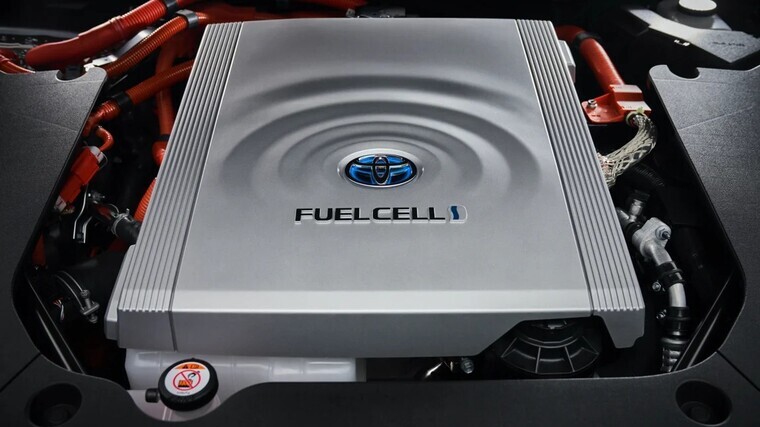
Annual sales of fuel-cell electric vehicles (FCEVs) in Japan fell by 83 per cent between 2021 and 2025 to just 431 units with a collapsing refuelling network deterring new buyers and leaving owners with diminishing options to fill up.
The country now has just 149 hydrogen stations. That’s about 10 per cent fewer than five years ago and less than half the 320 the government had targeted.
Under a 15km access standard, roughly 90 per cent of Japan qualifies as existing in a coverage gap, with more than 1,500 municipalities having no charging station.
Some 70 per cent of stations close by 5pm with many not even operating daily, which limits coverage to fewer than 10 per cent of Japan’s population after 6pm – even in Tokyo.
Station operators say construction costs for a single station come in around ¥500 million, or some NZ$5.54m, while throughput is too low to cover ongoing staffing and maintenance costs.
From April, government purchase subsidies for FCEVs will be trimmed down to a maximum of ¥1.05m from ¥1.5m. Meanwhile, subsidies for battery EVs will increase by up to ¥1.3m.
The divergence widens an already substantial price gap. Toyota’s Mirai FCEV starts at ¥7.41m, or NZ$80,600, and Honda’s CR-V e:FCEV at ¥8.33m. BEVs in Japan start from around ¥2m.
Similar developments have emerged among many global carmakers previously interested in the segment. For example, Stellantis discontinued its light commercial FCEV programme citing no mid-term economic viability.
General Motors has halted next-generation development and has wound down its joint venture with Honda, ending shared production of the CR-V e:FCEV in 2026. Renault and Cummins have made similar exits from passenger and electrolyser segments respectively.
Toyota and Hyundai remain the most committed major FCEV players in the car segment. Toyota’s president, Koji Sato, has argued building a hydrogen value chain from production through to end use is the precondition for any recovery, and the company plans to install hydrogen production equipment at its main Aichi factory in its 2026 fiscal year.
Hyundai remains committed to launching its next-generation Nexo FCEV. It will have a range of more than 826km and cam be fuelled up in five minutes, reports Automotive World. It will launch in Japan in the first half of this year, while BMW is targeting series production of a hydrogen iX5 SUV by 2028.