


Fuel prices set to rise
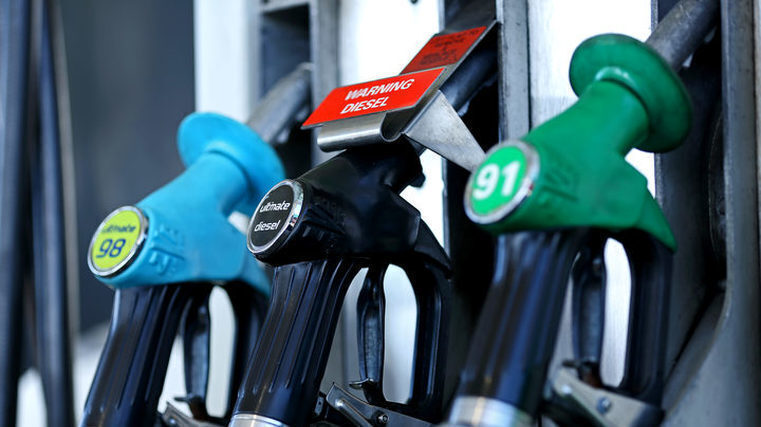
New Zealand consumers are bracing for higher petrol prices because of the ongoing conflict in the Middle East, with one fuel supplier predicting they could rise up to 20c a litre over the coming weeks.
Waitomo Group says sales at the pumps have increased by 10 to 15 per cent this week after the US and Israel launched strikes against Iran, prompting retaliatory attacks against targets in other Middle Eastern countries.
Long queues of cars were seen at one of the company’s petrol stations in Wellington on Thursday as demand for fuel increases, reports the NZ Herald.
Simon Parham, Waitomo Group chief executive officer, says people have been eager to fill their cars and containers with petrol in recent days before an expected price rise.
Based on recent changes in the overseas oil market, he told the Herald prices will likely soon rise by about 10-20c per litre.
The Automobile Associate’s fuel spokesperson, Terry Collins, has also advised motorists to expect to soon pay more for fuel.
Iran controls about 20 per cent of global oil supply through the Strait of Hormuz and analysts suggest if this route is effectively closed then oil prices will climb as shippers have to find alternative routes or cancel sailings.
Collins says regardless of whether New Zealand gets oil from Singapore, South Korea or Japan “we’re all looking to buy the same fuel, and so the price will go up”.
“Petrol and diesel sitting in the pumps today was bought in the past, when the price of oil was lower [but] those price increases will flow through over time in the weeks ahead,” he told Rova. “How high they will go really depends on how long this conflict will last.”
Transporting New Zealand says the road freight industry will be monitoring the risk of fuel supply issues and rising oil prices closely, as the Middle East conflict pushes up the global price of crude.
Dom Kalasih, chief executive, notes diesel is typically the second-largest cost for road freight operators after wages, meaning sustained increases put pressure on transport rates.
“With around 93 per cent of New Zealand’s freight moved by road, changes in diesel prices flow through the supply chain and can ultimately affect the cost of goods for businesses and consumers,” he adds.
“Fuel is also the most volatile cost in our industry. Over recent years, price spikes have contributed to transport cost pressures rising well above CPI.”
Kalasih notes it is too early to determine the full impact of the conflict on New Zealand diesel prices but urges operators to monitor their costs.
“The road freight market is highly competitive, and many businesses operate on tight margins. That limits their ability to absorb cost increases.”