

Focus on vehicle safety
The government is looking at how to improve roadworthiness tests for vehicles and has welcomed input on the issue from the Motor Trade Association (MTA).
Kiritapu Allan, Associate Minister of Transport, says having industry pull together and provide its thoughts on matters affecting the automotive industry is invaluable to decision-makers.
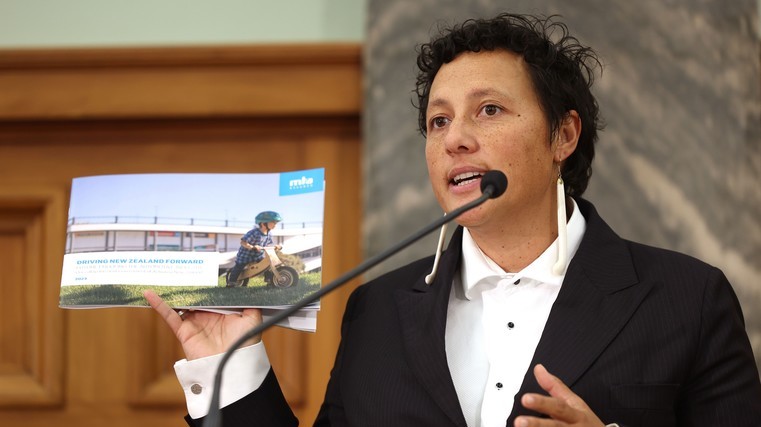
She covered a range of topics relating to vehicles and roading during a speech to guests at MTA’s launch on May 9 of a document outlining what it wants the government to tackle after this year’s election.
Allan, pictured, attended the event at parliament after Michael Wood, Minister of Transport, was called away to Auckland following severe flooding that led to a state of emergency being declared.
She described the MTA’s report as a “great piece of work” and said it was always helpful to receive a clear steer from the industry as to what its priorities are.
“Vehicle safety is something I know that MTA members take extremely seriously,” she continued.
“You're there at the frontline making sure that the cars on our roads meet the safety standards and will keep people safe … I want to acknowledge the advice and policy options you provided to us around transport safety.
“I share your interest in vehicle safety, it is certainly a priority for us. Officials at the Ministry of Transport and Waka Kotahi have been working with the sector to identify ways to improve the roadworthiness tests.
“These are improvements that could easily be made without an onerous regulatory process, and I understand this work is ongoing and continuing.”
Allan said MTA’s priorities for the transport sector – “safe cars, safe air, safe roads” – are essentially what the government wants as well.
“We may use different words and have different ideas about how to get there but the goal is essentially the same; a healthy, safe and secure transport system that improves the wellbeing and livelihood of all New Zealanders.”
The government is committed to ensuring regional roads and transport links are safe resilient and well looked after.
Another priority is reducing transport emissions to protect the environment, climate and people’s health. In 2022, it committed to reducing transport emissions by 41 per cent by 2035.
“Transport produces 17 per cent of our total greenhouse gas emissions and motor vehicles are by far, as we are all well aware, the biggest contributor to air pollution-related health effects in New Zealand,” highlighted Allan.
“Our transport choices are having a direct daily impact on the health of the people we care for: our friends, our families, our communities. We can, and we must, do better.
“The reality is we cannot achieve our goals without EVs. They have a big role to play in our future transport system and complement other efforts under way to increase opportunities for people to safely walk, cycle and use high quality public transport.”
She described the clean car discount and standard as having a big impact, with EVs now making up 20 per cent of the new vehicles imported into New Zealand each year.
Improving EV charger infrastructure across the country will be vital to support the rapid uptake of such vehicles and ensuring all New Zealanders can charge when they need to, according to Allan, “and that was one of the key findings in [the MTA’s] policy document”.
The Labour minister also addressed issues around the workforce and noted that people are the lifeblood of the automotive industry.
“I know you’re concerned about the future of the workforce. Attracting and retaining sufficiently skilled staff continues to be a significant struggle and you've set that down for us. I want to note that we are certainly listening.
“There are some changes that we have made to immigration to help you get started in the short term ... but conversations about immigration needs to support a bigger conversation about career pathways into the sector for New Zealanders and the kinds of skills they need to deal with modern vehicles.
“I know again this is something close to your heart, articulated in this document. It will take time and input from the sector, but I do hope we can progress this conversation together.”