


Focus of emissions rule
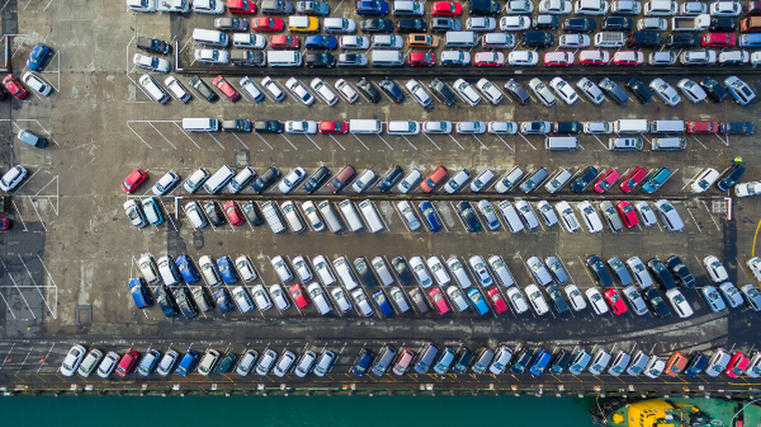
The Ministry of Transport (MoT) says its proposed changes to the vehicle emissions rule will “progressively improve the harmful emissions standard” on imports into New Zealand.
Pollution caused by the fleet, such as nitrogen oxides (NOx) and particulate matter (PM), are harmful to human health. Others, such as carbon monoxide, can cause disorientation and death.
“Vehicles tend to remain in the Aotearoa fleet for a long time,” says the MoT. “They are scrapped at an average age of 19 years. To reduce harm over the long term, a tighter emissions standard is required as soon as possible.
“The proposals do not focus on carbon dioxide [CO2] emissions, which are harmful to the climate. Emissions harmful to the environment are regulated through other policies.
“Despite this, truck distributors in Aotearoa have advised the proposals could reduce the CO2 emissions of trucks by 10 to 20 per cent. It’s also possible the proposals may encourage some broader behavioural change by distributors or buyers if they shift to zero emissions [electric and hydrogen powered] models.”
The pollution problem
Although New Zealand’s air quality is generally good by world standards, nearly one-third of people live in areas with poor air quality and research has shown it’s getting worse.
“Vehicles are a significant source of air pollution, especially in the Auckland region and beside busy roads,” says the MoT. “It can cause significant health impacts ranging from respiratory symptoms and illness to premature death.
“Of the common pollutants in air pollution, the largest and best-known impacts on health – in terms of the burden on the health system and society – arise from fine PM known as PM10 and PM2.5.
Ultrafine particles are of particular concern because they can penetrate deep into the respiratory system and enter the bloodstream.
“Awareness is also growing for the health risks from exposure to nitrogen oxides [NO and NO2] especially NO2. This is particularly concerning as transport is understood to be the main source of these emissions in Aotearoa and the presence of NOx can be significant in cities.”
The MoT also cites the HAPINZ 3.0 report, which was published in 2022. It said that air pollution – primarily NO2, PM10 and PM2.5 – from the transport sector contributed $10.5 billion in social costs per year, which is roughly two-thirds of the total of all air-pollution costs at $15.6b. By way of comparison, the total social cost of road crashes that result in deaths and serious injuries is $8b.
Air-quality issues
The World Health Organisation (WHO) sets guidelines for air quality, including stating limits for harmful emissions, such as NOx, which should not be exceeded.
In 2006, 24 per cent of the population in New Zealand was living in areas where NOx concentration in the air exceeded WHO guidelines.
In 2016, this increased to 31 per cent of the population. For Pacific peoples, the rates were even higher – they went up from 43 to 54 per cent. By contrast, levels of transport-related pollution in Europe are reducing.
Exposure to these harmful emissions have been found to contribute to premature deaths. In 2016, Auckland, Christchurch, and Dunedin experienced the highest number of premature deaths due to PM2.5 and NOx air pollution.
About two-thirds of New Zealand’s air pollution-related social costs are due to transport.
These include 13,000 cases of asthma in our children, 900 hospitalisations of tamariki presenting with asthma or wheezing, 9,000 cardiovascular and respiratory hospitalisations, and 2,200 premature deaths, which accounts for about one-in-14 deaths annually.
On top of this, restricted activity days come in at 300,000. This is when air pollution causes symptoms that prevent people being able to go to work, school or undertake their usual activities.