

Feebates disrupt EV market
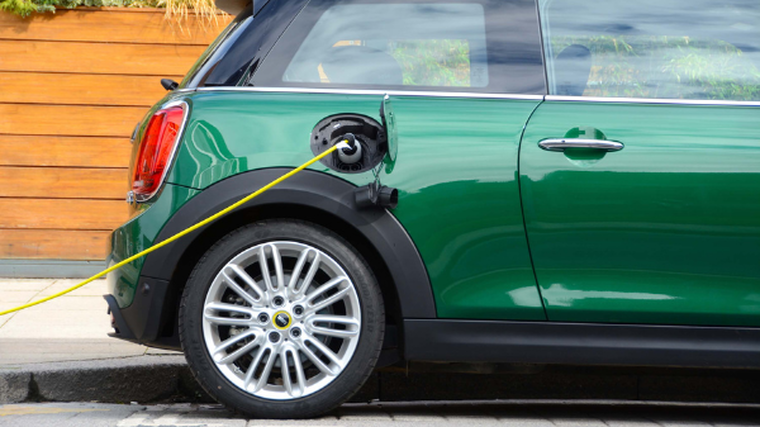
The sales of battery electric vehicles (BEVs) have been on a roller coaster to start the year with their share of the market fluctuating in response to the introduction of the full clean car discount scheme.
A breakdown of new EV registration figures by the Motor Industry Association (MIA) shows the changes in recent months along with dramatic shifts for plug-in hybrids (PHEVs) and petrol hybrids.
BEVS accounted for 32.75 per cent of the EV market in February before soaring to 65.43 per cent in March and then tumbling down to just 14.92 per cent in April. Year to date, such vehicles account for 34.51 per cent of all EV registrations.
In contrast, PHEVs went from 18.51 per cent and 16.31 per cent in February and March, respectively, before jumping to 29.13 per cent in April.
Petrol hybrids dropped from 48.36 per cent in February to 18.23 per cent the following month but leapt to 55.95 per cent in April once the feebate system kicked in and a number of those vehicles became eligible for rebates.
PHEVs accounted for 21.23 per cent of the EV market over the first four months of this year and hybrids 44.16 per cent.

Diesel registrations plunge
In the new-vehicle market overall, EV models have scored 17.87 per cent of all registrations in the year to date, according to MIA’s figures.
This number was bolstered by a 39.3 per cent share in April alone, a substantial increase from the 11.08 per cent such vehicles recorded in January.
Petrol vehicles made up 40.45 per cent of registrations over the first four months of 2022, after recovering from 33.88 per cent in March to hit 45.1 per cent in April.
Meanwhile, the share of the market for diesel vehicles plunged from 53.2 per cent in March to 15.6 per cent in April.
This coincided with a rush by industry to pre-register light commercial vehicles, such as utes, ahead of the clean car discount’s roll-out on April 1 and the subsequent plunge in such registrations in weeks after.