

Facility destroys HFCs
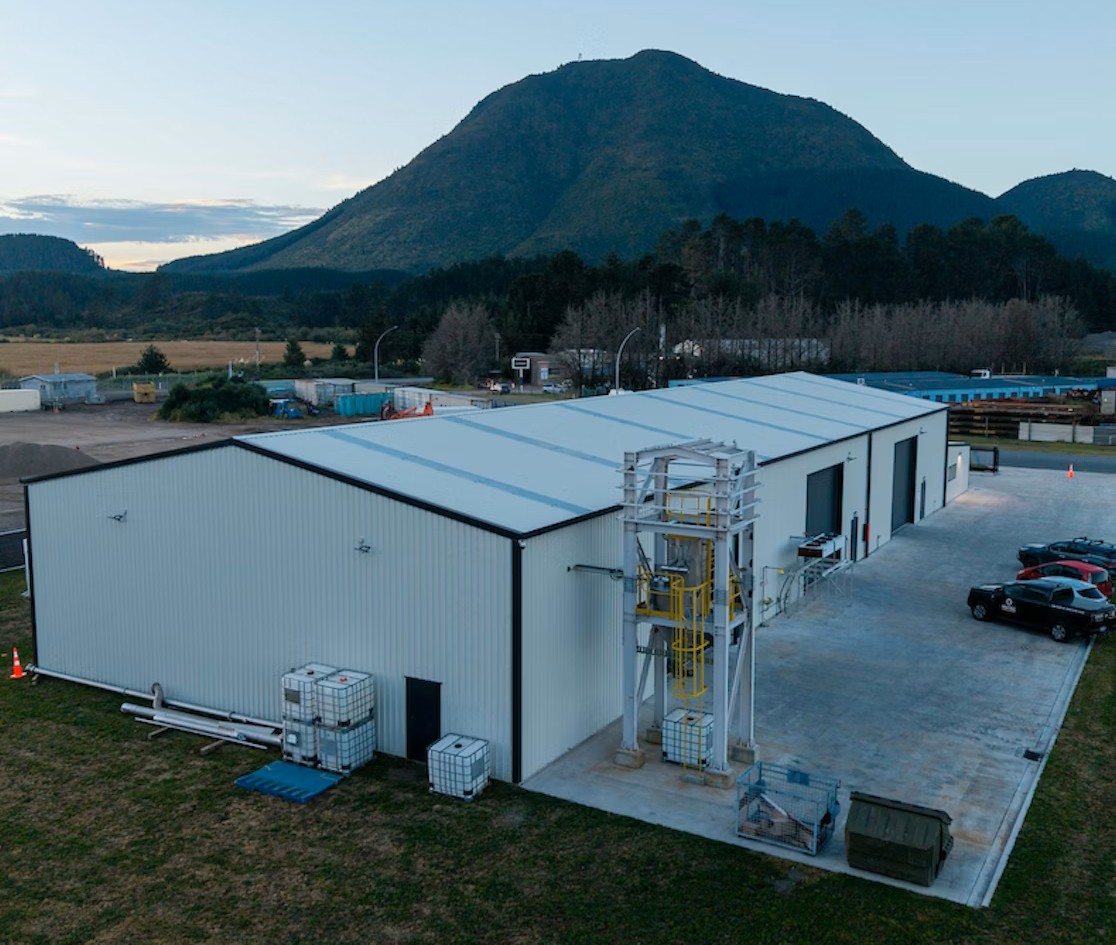
A national refrigerant destruction facility is now tackling the environmental impact of New Zealand’s most potent greenhouse gases.
The $10 million steam plasma-arc plant in Kawerau, Bay of Plenty, is the first of its type in the southern hemisphere and is seen as a key weapon in tackling the threat from synthetic refrigerants.
These include CFCs, HCFCs and HFCs, which are powerful climate-change agents with global-warming factors of up to 15,000 times those of carbon dioxide (CO2).
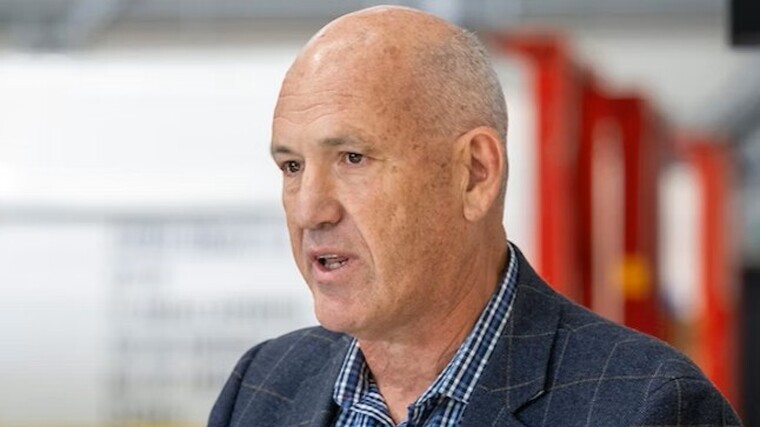
“This plant represents the beginning of a new chapter in advanced environmental stewardship and action on dealing with end-of-life refrigerants in Aotearoa,” says Richard Lauder, pictured, chairman of the Trust for the Destruction of Synthetic Refrigerants.
New Zealand has obligations under the Kigali Amendment to the Montreal Protocol, which is a 2016 international treaty designed to phase down the production and consumption of the hydrofluorocarbons (HFCs), which have replaced ozone-depleting CFCs and HCFCs.
Lauder describes synthetic refrigerants as the “invisible backbone” of modern New Zealand. Reliance on them is growing exponentially – from home and commercial air-conditioning, healthcare, supermarkets to logistics, cold chains and air-con units in cars.
He adds while recycling and reclaiming gases has its place, this extends the legacy of older refrigerants. “Ultimately, to fully address the climate impact these gases must be safely and permanently destroyed when they reach end of life. Now that solution exists here in New Zealand.”
The harmful gases no longer need to be stockpiled, reused indefinitely or shipped offshore. “They can be permanently destroyed onshore, using world-leading technology powered by home-grown renewable energy.”
The facility, funded by the trust through Chemical Destruction Services (CDS), uses the steam plasma-arc system from Canadian technology leader PyroGenesis, which destroys synthetic refrigerant gases with a near 100 per cent – 99.99999 per cent – efficiency. It results in safe, stable compounds that can be released into the environment.
Clifton Madgwick, CDS’ managing director, says the plant – as a first for New Zealand – is a point of local pride for Kawerau with the community having a strong industrial heritage and innovative spirit.
He adds the facility, which opened on March 20 and operates at up 5,000C, can sustainably destroy up to 100,000kg of gases per annum, which could have a combined global-warming potential of about 220 million kilograms of CO2-equivalent.