


Earnings hit for 2 Cheap’s owner
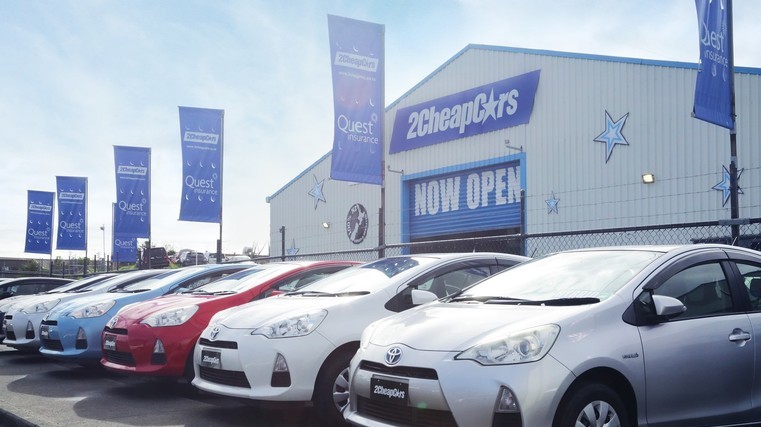
The owner of 2 Cheap Cars has downgraded its earnings for the year to March 31, 2022, following the strengthening of the New Zealand dollar against the Japanese yen.
NZ Automotive Investments (NZAI) says its underlying net profit after tax for the year is now expected to be between $1.7 million and $1.8m, which is down from January’s guidance of between $2.3m and $2.7m.
The NZX-listed company explains a combination of factors including the war in Ukraine, weaker economic sentiment in Japan, and further bond buying by the Bank of Japan have driven the rise of the New Zealand dollar.
“This movement has affected the company’s foreign exchange hedge position with respect to committed inventory purchasing in the financial year ended March 31, 2022, creating a mark to market loss of $700,000,” says NZAI in a statement to the stock exchange.
“The foreign exchange impact relates to inventories that will be delivered in FY23 and does not economically relate to the FY22 year.
“Nevertheless, the company’s accounting policies will require it to recognise the impact in its FY 2022 financial statements.”
The development for NZAI, which also operates vehicle finance company NZ Motor Finance, comes after it warned in January net profit for the year may drop up to $1.5m following a decline in sales and changes to the Credit Contracts and Consumer Finance Act affecting business.
Actual net profit after tax, which includes a $900,000 gain from the rearrangement of leases, is now expected to be in the range of $2.6m to $2.7m, down from previous forecasts of $3.2m to $3.6m.
NZAI adds: “The company remains in compliance with all banking covenants and is in a solid financial position with cash balances of $3.8m and net debt of $8m, as at March 31.”
In March the New Zealand dollar rose more than nine per cent against the yen, touching its highest level since June 2015.