
Demand for petrol-power falls
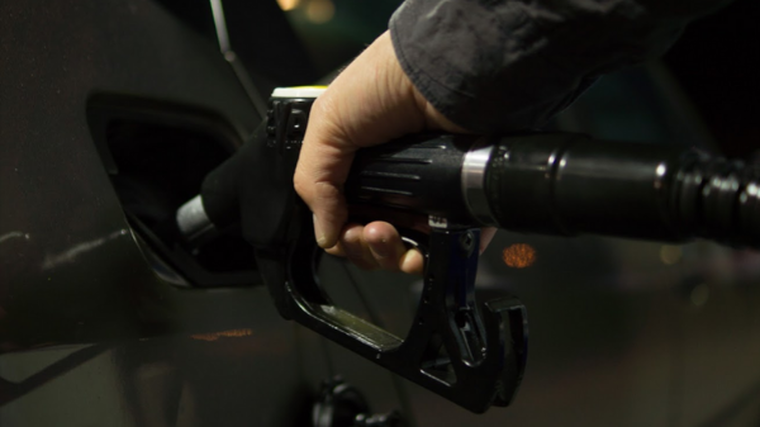
Vehicles with an internal combustion engine (ICE) only made up three-quarters of all new-vehicle sales in New Zealand last year after sliding from an average of 86.4 per cent over the first three months of 2022.
The introduction of the government’s clean car discount scheme at the start of April, which offers rebates on eligible low and zero-emissions vehicles, has led to a shift in engine types sold to Kiwis.
Figures from the Motor Industry Association show 75 per cent of registrations last year were for ICE vehicles, with a mix of electrified powertrains accounting for the other 25 per cent.
A breakdown of the numbers shows petrol-powered cars made up of 49.2 per cent of new-vehicle sales in January, but in the final five months of the year the percentage share of the market remained stuck in the thirties.
It meant the total for the year was 40.5 per cent, while diesel vehicles took out 34.5 per cent of the market in 2022.
Diesel sales have retained a relatively stable percentage of registrations, except in March when they reached 53.2 per cent as people rushed to avoid penalties under the government’s clean car legislation. They then sank to their lowest point – 15.6 per cent – the following month.
In contrast, non-ICE vehicles averaged just 13.6 per cent over the first three months of last year before finishing 2022 with nearly double that amount.
The market share for electric vehicles (EVs) peaked in the first month of the feebate scheme and hit 39.3 per cent in April.
Annual figures show battery electric vehicles (BEVs) accounted for 9.8 per cent of new-vehicles sales overall, plug-in hybrids (PHEVs) took out 4.4 per cent, and traditional hybrids 10.7 per cent.
BEVs recorded their strongest month in December with 19.4 per cent of the market, up from just 3.5 per cent in January.
April was the best month for PHEV sales when they had an 11.4 per cent share of all vehicles sold, compared with January’s tally of just 1.5 per cent.
The highest point for hybrids also came in April when they took a 22 per cent market share, a sharp turnaround from 2.4 per cent the month before as people held off purchases ahead of the expansion of the clean car discount.
.PNG)