


Concerns over car delays
The Imported Motor Vehicle Industry Association (VIA) is keeping a watching brief on developments at Australian ports.
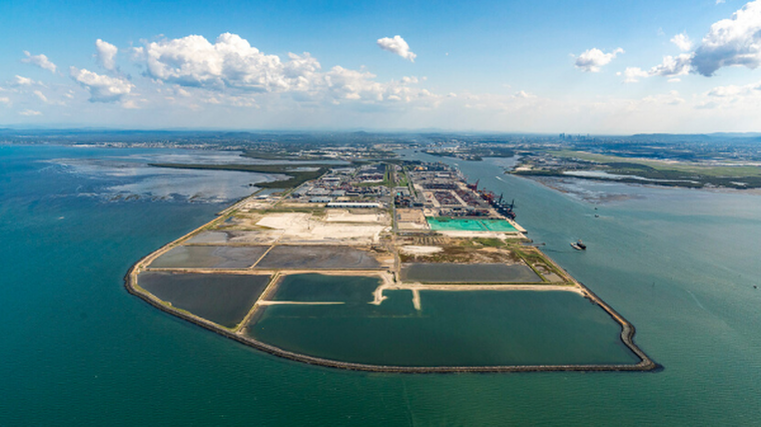
Chief executive David Vinsen told Autofile Online that a number of ships have been held up in Brisbane, pictured, Melbourne and Sydney amid biosecurity concerns with seeds having been discovered in new vehicles.
“We’ve got new and used vehicles tied up on those vessels,” he says. “Up to 60,000 new vehicles have been held up for Australia and New Zealand. Our biosecurity agencies have been backwards and forwards to Australia investigating what’s going on.”
Vinsen adds officials at the Ministry for Primary Industries are keeping a close watch on the situation, “but are satisfied our treatments and inspections are more than adequate, and they are very confident about what we’re doing”.
He says: “There are delays and we’re monitoring it. We would like to see direct shipping for Japan to New Zealand rather than cars being transhipped or going through Australia.”
The issues across the Tasman were first reported on by Drive.com.au on February 8.
At that time, it reported at least two-dozen vehicle carriers were anchored offshore or were in transit between Australian ports as cleaning teams treated their cargo for biosecurity hazards.
Stevedores specialising in car transport told Drive it normally takes 24 hours – working around the clock – to unload a vessel carrying 3,000 new cars, disembarking them at about 125 units per hour.
However, they add quarantine cleaning teams can only process vehicles at a rate of nine cars per hour – during normal business hours – as the vehicles need to be thoroughly checked and cleaned.
At that rate, each quarantine cleaning team could only process about 350 new cars per week with Melbourne reported as having been the worst-affected port. Some ships have been held offshore for up to two weeks until docks clear.
Most new-car brands are affected by delays at the ports – regardless of whether they have quarantine concerns to address, reports Drive. They include most cars made in Asia-Pacific, including Toyota, Mazda, Kia, Ford, Isuzu, Hyundai, Suzuki, Mitsubishi and Nissan, and Chinese marques such as MG, LDV and Great Wall Motors Haval.
A statement from Toyota said: “Toyota co-operates fully in what is a standard biosecurity process. In recent weeks, there has been an increase in processing times for vehicles at Australian ports.
“Toyota has vigilant inspection and cleaning procedures in place for all ports where vehicles are exported to Australia. We continue to work to deliver vehicles to customers as quickly as possible.”
European brands have also been dragged into the drama because vehicles from other car companies on the same vessels have had biosecurity detections.
In a statement to Drive, the Department of Agriculture says it doesn’t hold an entire shipment in Australian ports based on the inspection results of a single vehicle.
“However, depending on the type of biosecurity risk identified, a larger number of vehicles may be held particularly if ‘hitchhiker’ pests that can fly or move about during a voyage present a broader concern and potentially affect a greater number of vehicles.”
Some marques, such as Ford and Tesla, have in recent months chartered their own ships to ensure their cars aren’t quarantined due to pest detections on rival vehicles on the same vessel. However, even Ford has been caught up in the latest delays.
Drive reports it has been told by industry experts the increase in biosecurity threats is likely because new vehicles are spending longer in holding areas between factories and shipping ports they depart from.
Biosecurity threats tend to peak with shipments of cars and containers arriving down under in the warmer months of the year. Risks include “snails, seeds, soil and dried plant material known to contaminate new vehicles”. Stink bugs are of particular concern “due to the nature of the pest and its ability to move around during a voyage”.
The Department of Agriculture adds: “The peak for seasonal pests is between November and February. However, it is dependent on the northern hemisphere climate and can begin earlier or last until later in the season.
“We are currently seeing a significant increase in biosecurity risk material [BRM] on new vehicles arriving in Australia. This includes soil, plant debris, seeds, snails and live insects not present in Australia.
“Vehicle manufacturers should put in place processes offshore to ensure BRM does not contaminate vehicles in the first instance. If there is a chance BRM has occurred, vehicles should be cleaned prior to loading for shipment.”
The department says operators should consider “how they manage shipments from multiple ports of loading, and their ability to control cross-contamination”.
“In some instances, it may be advantageous for vessel [operators] to conduct pre-loading inspections so they are not loading biosecurity risks onto their vessels that may result in delays on arrival. The department provides guidance to all importers to help them meet import conditions.”