


Carmaker costs to climb
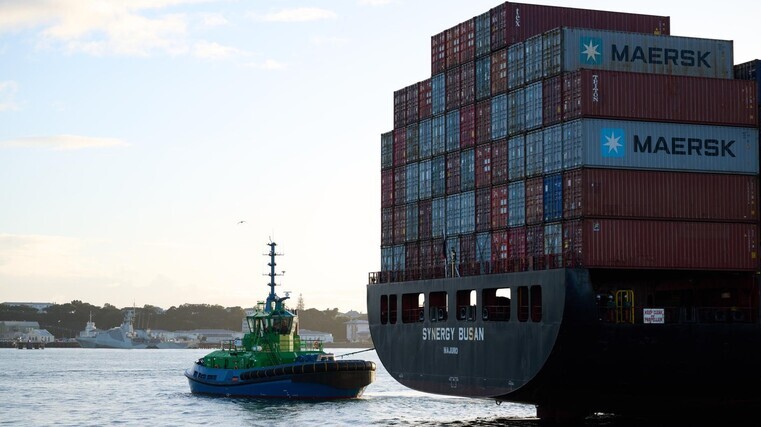
The escalating conflict in the Middle East has all but closed the Strait of Hormuz and threatens to further increase logistics costs for carmakers.
The narrow waterway between the Arabian Peninsula and Iran is a major shipping corridor for global trade, but the dangers of using it have upped insurance costs for cargo and ships.
S&P Global, in a report on the effects of the war on the car industry, says Hormuz is a major sea route for raw materials such as aluminium and petrochemical products from around the Persian Gulf, as well as oil and liquified petroleum gas.
Iran has attacked vessels and has started to lay mines in the waterway, according to media reports, and US President Donald Trump wants allies to despatch ships to try to reopen the strait although a concrete plan to do so has yet to emerge.
S&P reports ships seeking to enter the area are opting for alternate routes, increasing transit times or preventing cargo from reaching intended destinations, which is impacting on scheduling and contracts.
This comes on top of energy prices closing in on a five-year high. Last year, about 20 million barrels of oil passed through the Strait of Hormuz daily.
Logistics costs have risen 25-30 per cent since 2019, driven by high energy prices and labour costs, says Frank Schnelle, executive director of the Association of European Vehicle Logistics. One carmaker recently told Automotive News the figure is close to 40 per cent.
In the short term, Schnelle says higher energy costs give logistics companies little room to manoeuvre. Fuel clauses, which are price adjustments linked to costs, are standard in contracts, but typically apply retroactively and create cash-flow pressure for logistics firms when fuel spikes.
The sharp rise in energy prices is also driving up the costs of air freight, which uses kerosene, and road transport with diesel.
The Middle East conflict adds to a growing list of logistics headaches for carmakers already navigating tariffs, geopolitical tensions and supply-chain disruptions.
Their options include cutting costs, diversifying suppliers, accepting lower margins or passing on increased costs to suppliers, but the latter will prove difficult under their existing contracts.
Car companies could seek out new suppliers closer to their factories to avoid long transport routes and try to make supply chains more stable. Consumers may be asked to bear the costs, but marques would struggle to raise sticker prices given reduced demand and the sluggish global economy.
Ultimately, the potential impact of the war on the worldwide economy and car industry will likely depend on its severity and duration, reports Automotive News.
S&P Mobility is maintaining a “base-case presumption of a short-term conflict for vehicle production and sales forecasts”. But if “commodity price increases spread across the economy and supply chain, they would increasingly impact household budgets and create a knock-on effect of lower sales”.