


Call for ute tax
Researchers at the University of Auckland have suggested there should be a tax on utes because of the country’s emissions levels and fatal crashes.
They say accidents involving utilities are seven times more likely to result in death and there are costs connected to air pollution.
“Someone has to pay that cost,” says senior researcher Dr Kirsty Wild. “We have a polluted and dangerous transport system, and it’s putting pressure on healthcare resources.
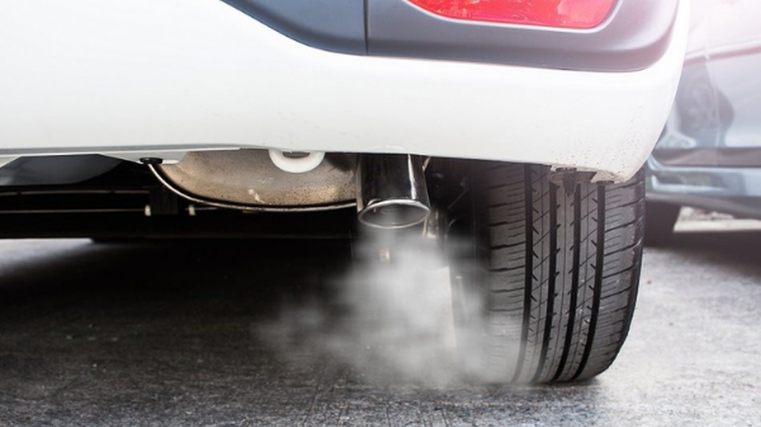
“New Zealand research shows utes contribute about seven times as much social harm when it comes to things such as air pollution, particularly toxic exhaust with diesels.”
Wild says utilities are not as much of a problem in rural areas, but research shows around two-thirds of ute trips take place in cities.
“They are particularly dangerous in cities, seven times more likely to kill you if they hit you and particularly dangerous to kids. [Cities are] where air pollution is a real problem, having 3,000 early deaths every year due to air pollution problems."
Wild notes traditional car bonnets, which are “sloped and fairly soft”, are designed to reduce some of the impact of an accident. She adds they are high up on utes, so “instead of hitting you in the legs, they hit you in the chest and are more likely to drag you under”.
Wild and her colleague Professor Alistair Woodward are spearheading calls for a tax to discourage people from buying utes if they don’t need them, reports RNZ.
Utilities are “one of the most heavily market commodities in the world and like we see with other harmful commodities, I think there's a case [for] restrictions on advertising”.
Wild adds: “There are a range of things that have been implemented, mostly in Europe, around sales taxes and parking taxes. In general, they don't have the same problem because they have better pollution standards and pedestrian protection standards in transport planning.”