


Bid to expand EV charging
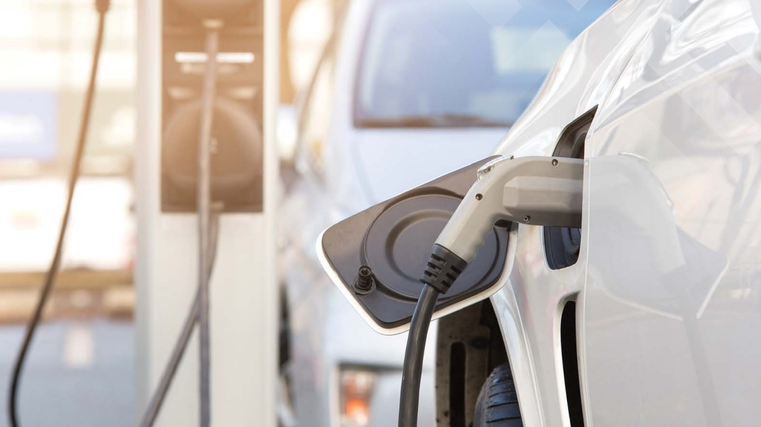
The government has published a draft plan to boost the uptake of electric vehicles (EVs) by placing charging hubs along all main highways and one for almost every town in the country.
The idea is to have a charging hub every 150-200km on main highways, a public charger for every 20-40 EVs in urban areas and public charging at community facilities for all settlements with 2,000 or more people.
Michael Wood, the Minister of Transport, says the vision behind the proposals, which are outlined in a consultation document called Charging Our Future, is to create “world-class EV charging infrastructure that’s accessible, affordable, convenient and reliable”.
Wood, who launched the proposals on March 22, says: “Emissions from our light-vehicle fleet are the single largest source of transport emissions in New Zealand, partially due to having some of the most fuel inefficient and emissions-intensive vehicles in the OECD.
“This costs Kiwis at the pump and is damaging to our health and environment. Switching to EVs would be like buying petrol for 40 cents a litre, which would make a big difference for household budgets.
“Meeting the targets [in the strategy] would see tens of thousands more EV chargers across the country. They balance facilitating infrastructure to support different trips and journeys EV drivers make, while ensuring rural and provincial locations are accessible for residents and visitors with EVs.
“The success of our clean-car policies means there are more than 69,000 EVs on our roads, over 80 per cent more than at the end of 2021. This strategy will ensure we can sustain the uptake of EVs as we see more people making the switch.
“To ensure the strategy is effective, we’ll be collaborating with local government and industry across transport, energy and other sectors to deliver on these initiatives.
“We also want to make sure we’re working alongside the public. I hope everyone will take the opportunity to feed into the draft strategy and discussion document.
“I want to thank the Clean Car Leadership Group for giving advice as we’ve developed the strategy.”
Click here to access the draft strategy and discussion document. Consultation close on May 11.
The government says electrifying New Zealand’s transport fleet is an important step towards a zero-carbon future. The emissions reduction plan (ERP) sets the country’s commitment to increase zero-emission vehicles to 30 per cent of the light fleet and cut emissions from freight transport by 35 per cent by 2035.
It says the Charging Our Future strategy will help New Zealand meet these targets by ensuring access to charging infrastructure isn’t a barrier to EV uptake, while the strategy also builds on recent transport decarbonisation policies and sets more ambitious goals.
Background to strategy
In May 2022, the government released Aotearoa’s first ERP. It sets out how the country will meet its first emissions budget for 2022-25 and put us on-track to meet future emissions budgets.
Transport is one of our largest sources of greenhouse gas emissions. It is responsible for 17 per cent of New Zealand’s gross emissions and 39 per cent of total domestic carbon dioxide (CO2) emissions.
The ERP includes action to rapidly adopt low-emissions vehicles including by improving EV-charging infrastructure to ensure all Kiwis can charge when they need to.
While EVs “are not a panacea”, the government says they have a big role to play as part of our future decarbonised transport system by complementing increased opportunities for adults and children to safely walk, cycle and use high-quality public transport.
“We need an EV charging strategy to provide certainty to all parties about the role government will play in supporting charging infrastructure,” adding “this is particularly true” given:
• EV ownership is already ahead of projected levels.
• The technological environment for EVs is “dynamic”.
It’s for these reasons the government has released the draft Charging Our Future strategy and discussion document for public consultation.
The government says is also conscious of the need to allow all Kiwis access to EV charging and the benefits of EVs no matter where they live or demographics.
It adds these aspirations are incorporated in the draft strategy’s vision – that Aotearoa’s EV charging infrastructure supports the transition to and use of low-emissions transport by being accessible, affordable, convenient, secure and reliable.