

Banking on glories past
Established carmakers are using heritage and history to fight back against cheaper EVs made by Chinese companies.
European brands are increasingly reviving classics from the past, as seen at this year’s Paris Car Show. Some are placing their chips on nostalgia to help them stand out from the growing crowd of incomers.
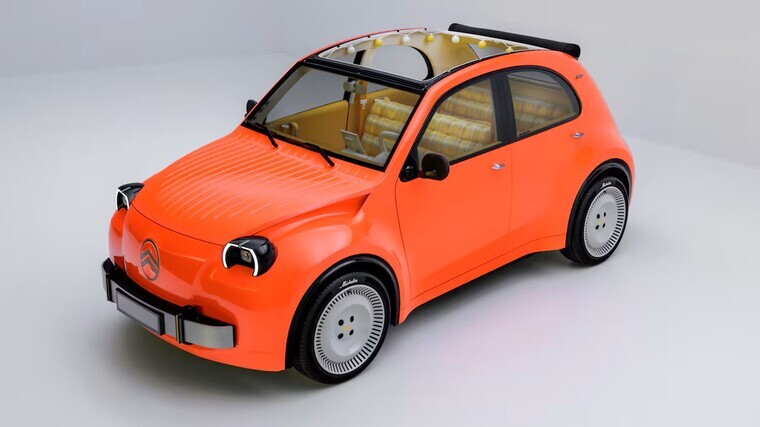
For example, Stellantis has unveiled an electric concept of the iconic Citroen 2CV, pictured above, which was manufactured between 1948 and 1990.
Citroen aims to launch a sub-€15,000 production version by 2028. The original 2CV was named for its taxable horsepower rating in France and sold more than five million units.
The strategy of looking back has already paid off for Renault. Its 5 was first launched in 1972 and its modern all-electric version has been a strong seller in Europe this year. It has helped to lift the group’s first-half revenue by nine per cent.
The French marque unveiled the E-Space minivan at the show in Paris. The concept draws heavily on the original 1984 Espace and is in another example drawing inspiration from a back catalogue. Renault aims to test reaction before deciding whether to build the model as an alternative to SUVs.
Volkswagen’s ID Polo, which sits in a range of affordable small EVs designed to fend off Chinese rivals, has been well-received. It comes with an optional retro dashboard mode that mimics the classic speedometer of an early model and plays music on a virtual cassette tape.
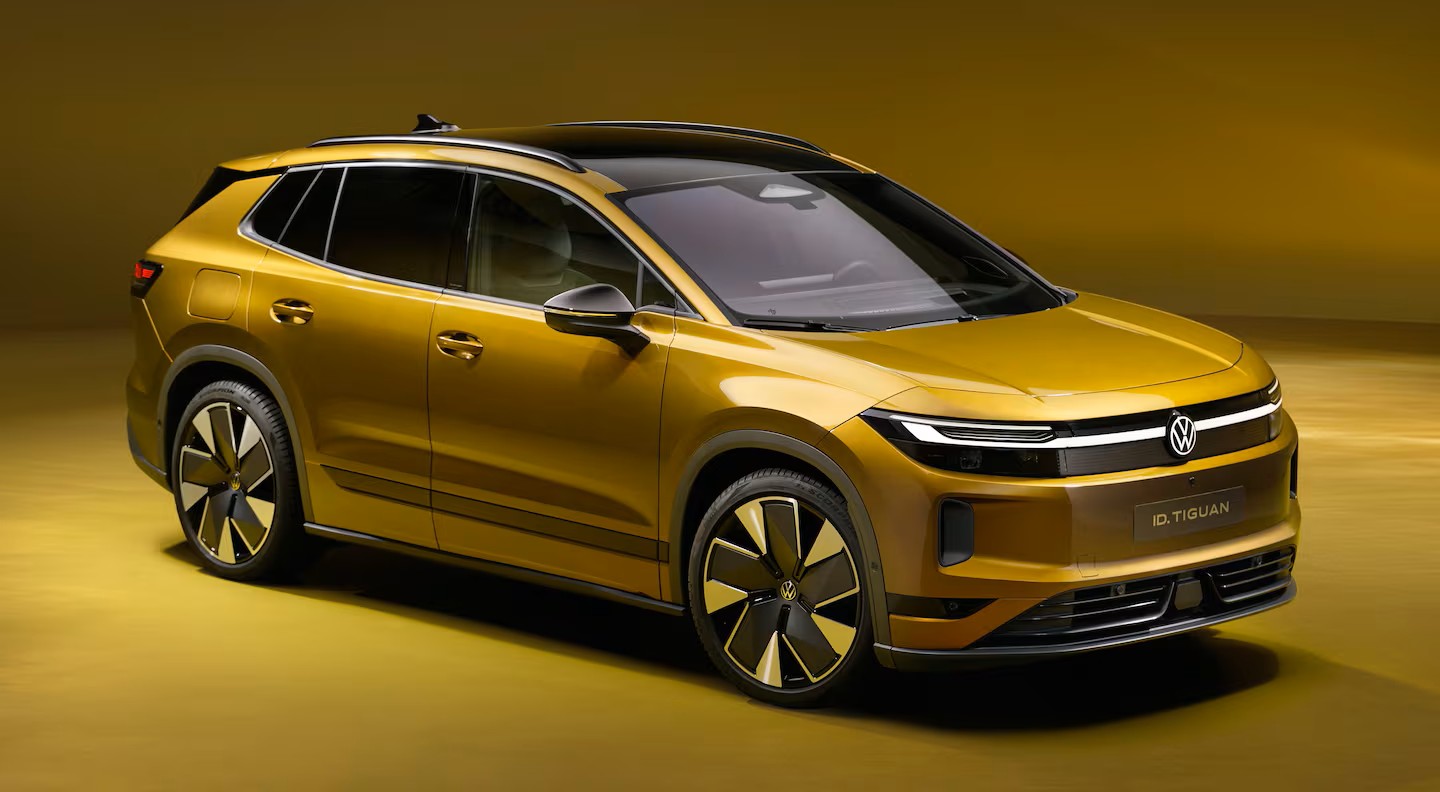
The marque unveiled the ID Tiguan in Paris, pictured below. It’s an electric version of the combustion-engined compact SUV as the brand seeks to play on its heritage by using traditional names for its new EVs instead of numbers, which is what it originally did.
Not all icons are eternal, however, with some earlier attempts having limited success. Strong initial interest in VW’s ID Buzz electric microbus earlier this decade faded as buyers were pained by its price and driving range. And the Beetle never made it into the EV era. It was discontinued it in 2019 as tastes shifted towards SUVs.
The stakes are high in Europe where demand for EVs has surged on the back of soaring fuel prices. Chinese manufacturers claimed almost 11 per cent of the market there in the second quarter of 2026 with models that are often cheaper and boast more advanced technology than local brands.
While European carmakers race to cut costs and narrow the technology gap, heritage is emerging as one of the few advantages China’s newer entrants cannot replicate.