


Asian ports hit by storms
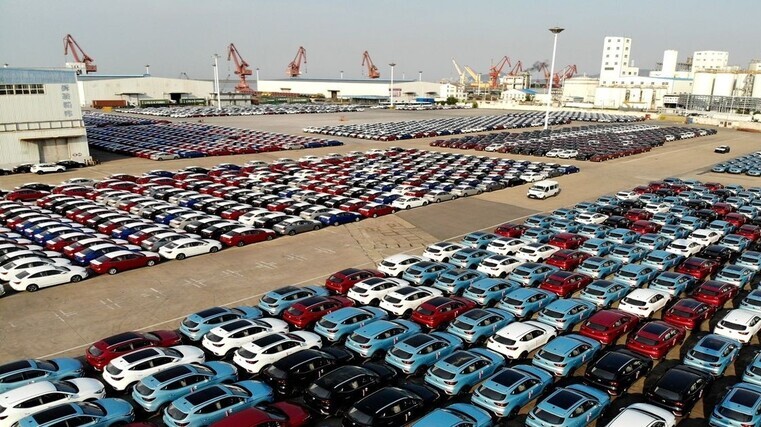
All 14 of the busiest ports in Asia have seen a decline in on-time vessel arrivals.
The world’s two largest container ports – Shanghai and Ningbo-Zhoushan – have been hit by consecutive typhoons this year. The most recent, last week’s Typhoon Saudel, caused severe delays at the ports in China.
Ningbo saw its reliability fall by 20.1 percentage points to 34.6 per cent in July, according to analysts Sea-Intelligence.
It describes the situation in Shanghai, pictured, as “particularly alarming” with a 19.2 percentage points drop in reliability resulting in 21 per cent of vessels arriving on time at port in July.
“Outside of extreme pandemic era supply-chain disruptions, schedule reliability in Shanghai has never dropped this low in 14 years of recorded data,” says Alan Murphy, chief executive officer of Sea-Intelligence.
The largest drop in schedule reliability among top Asian ports was seen at Yantian in south China with a 23.5 percentage point decrease to 48.3 per cent in July. Hong Kong had a 20.4 percentage point drop in reliability to 51.6 per cent for the same month.
The fall in reliability was pronounced at the world’s largest transhipment hub of Singapore with a 5.7 per cent percentage point dip in July, although reliability sat at 43.2 per cent, reports Sea-Intelligence.
Murphy adds: “With the region’s busiest ports operating with more than half of their incoming vessels delayed, this backlog will cascade through the maritime network, likely triggering a new wave of delays for critical head haul trade lanes in the coming months.”
Port congestion in Asia is pushing shipping lines to halt the two-and-a-half-year-long rerouting of Asia-to-Europe services via the Cape of Good Hope back to the Suez Canal and the Red Sea despite the ongoing security threat from the Houthi in Yemen with its “blockade” of Saudi Arabian ports.