


$120m fillip for EV chargers
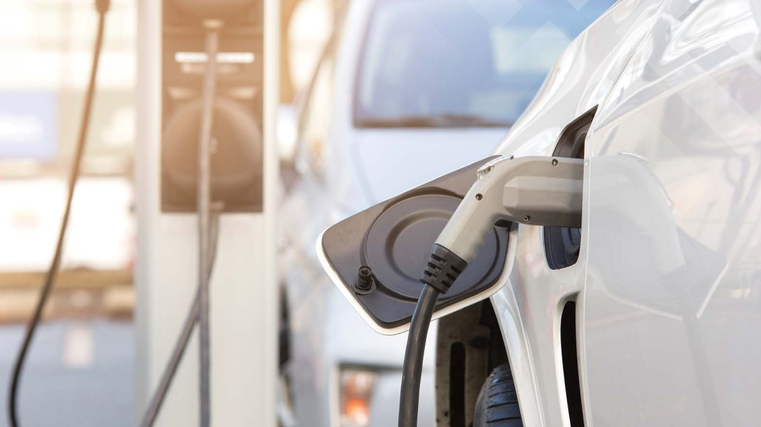
The government plans to pour $120 million into expanding the electric vehicle (EV) charging network over the next four years as it seeks to work with the private sector to create 23 charging hubs.
The funding was announced as part of Budget 2023, which was detailed by Grant Robertson, Minister of Finance, in parliament on May 18.
He says the latest investments in the transport sector aim to make it more resilient to weather events and climate-friendly.
The government will partner with the private sector to build thousands of new EV chargers across the country to accelerate the uptake of low and zero-emissions vehicles.
Among the goals is creating 23 new charging hubs, each containing up to 20 chargers, and ensuring rural and regional communities have more options to charge EVs as officials strive to decarbonise New Zealand’s energy system.
Michael Wood, Minister of Transport, adds: “This will see charging hubs every 150-200km on main highways, a public charger for every 20-40 EVs in urban areas and public charging at community facilities for all settlements with 2,000 or more people.
“Emissions from our light fleet are the single largest source of transport emissions in New Zealand, partially due to having some of the most fuel inefficient vehicles in the OECD.
“This costs Kiwis at the pump, and is damaging to our health and the environment. Switching to EVs would be like buying petrol for 40c per litre, which will make a big difference for household budgets.”
Cutting emissions
Other transport-related funding in the budget includes $30m over three years to provide grants towards the purchase of low-emissions heavy vehicles, including trucks, heavy vans and non-public transport buses.
The government says this will help get about 500 low-emissions heavy vehicles onto New Zealand’s roads, displacing fossil-fuel models.
Wood notes the fund “builds on the success of the clean car discount and low-emissions transport fund to support road freight operators to cut their emissions”.
Public transport
Budget 2023 also has a raft of funding measures around public transport to help ease the cost-of-living pressure.
These include free fares on buses, trains and ferries for five to 12-year-olds, and half-price fares for those aged 13-24. Wood says this will make public transport cheaper for an extra 774,000 Kiwis.
Funding has also been released to provide better wages and working conditions for bus drivers, and to restore public-transport service levels.
“Everyone will benefit from the investments we’re making be it through improved access and reliability of public transport, or less congested and safer roads thanks to increased patronage. As a result, we will have a more sustainable, inclusive and accessible system that better supports economic activity and communities.”