

Trump’s tariffs to return
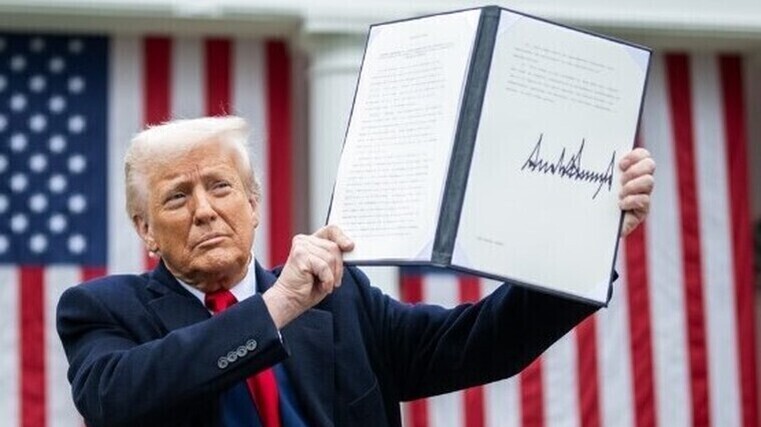
The Trump Administration is proposing to raise tariffs on Japan, China, the European Union, South Korea and 10 other countries to replace those struck down by the Supreme Court in February 2026.
The new import taxes would also fall on Bangladesh, Cambodia, India, Indonesia, Malaysia, Singapore, Switzerland, Taiwan, Thailand and Vietnam.
China faces the highest tariff rate of 20 per cent, which would be stacked on top of existing 25 per cent tariffs on certain industrial and technology products implemented in 2018.
Administration officials say the latest tariffs are required because its targeted trading partners prop up their domestic industrial production beyond market demands.
It claims this creates excess capacity that has inundated global markets with cheap goods that undercut American producers. China is widely seen as the world’s largest source of excess manufacturing capacity.
Jamieson Greer, US Trade Representative, says trading partners have been expecting these changes, which won’t take effect “earlier than a couple months from now”.
The new proposals mark the latest step in a months-long effort by the Trump regime to replace the global tariffs the Supreme Court ruled illegal at the start of this year. At the time, the justices said the president didn’t have the power to impose sweeping tariffs under the legislation he attempted to use.
Officials have turned to other trade laws, which generally require lengthy procedures. The latest proposed duties result from an investigation by Greer into unfair trade practices, which was launched in March.
The new rates are generally lower than the tariffs the court struck down because they reflect subsequent trade talks and agreements.
The announcement comes three weeks after the Democrats prevailed in the mid-term elections, in part by campaigning on cost-of-living pressures worsened by tariffs.
Tariffs have been the foundation of Trump’s trade policy as he aims to drive down trade deficits and reroute more investment and manufacturing to the US.