

Stolen cars head overseas
Organised crime groups across the Tasman are stealing cars and sending them overseas to be stripped down for parts to be sold in Iran and Russia as sanctions make the black market increasingly lucrative.
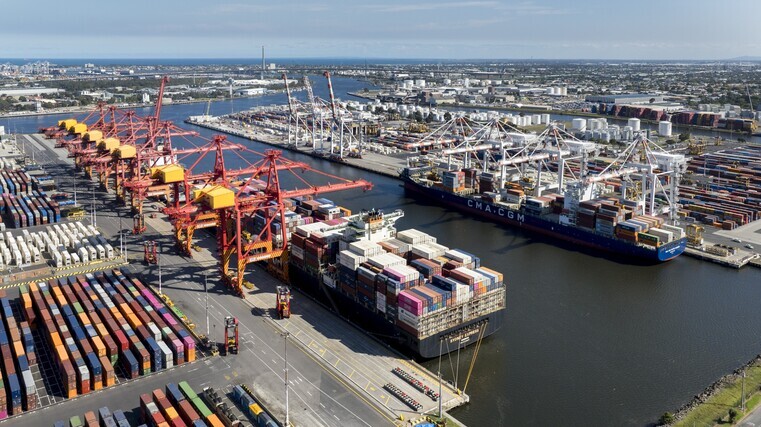
The Insurance Council of Australia says Melbourne, pictured, remains the country’s main centre for vehicle thieves, from petty criminals to organised syndicates.
They are packing cars into shipping containers and, sending them to intermediary ports to bypass detection before forwarding them to sanctioned nations.
Victoria recorded more than 12,300 car-theft claims in 2025/26 costing insurers AU$244.3 million (about NZ$301m). While the number of theft claims remained stable, total costs grew by more than AU$21m. More vehicles are stolen or broken into in Melbourne than in all other capital cities combined.
Queensland motorists lodged 6,200 theft claims costing AU$113m, while there were roughly 5,500 claims costing AU$98.7m in NSW. In Western Australia, about 3,500 claims cost AU$22m. Nationally, the financial toll of vehicle thefts exceeded half a billion dollars.
Andrew Hall, the Insurance Council’s chief executive, says while car theft includes joyriding and domestic reselling, a growing proportion of vehicles are stolen for export.
Insurers report two-thirds of vehicles stolen in Melbourne are never recovered locally and that detections of Australian-registered parts overseas have increased.
Police in Victoria and Queensland have raided shipping containers at ports and wrecking yards, and have recovered stolen cars. The authorities have also made arrests linked to an international crime syndicate that has illegally shipped tens of millions of dollars of stolen vehicles to the United Arab Emirates.
Hall told the Brisbane Times insurers had since formed the belief that after arriving in the UAE on illegal shipments, the cars were being dismantled for parts to be sent primarily to Iran and Russia.
A lucrative market for second-hand replacement components has emerged because sanctions ban manufacturers from selling legitimate parts to repairers in those countries.
“Australia has become part of a global supply chain for sanctioned nations,” says Hall. “We’ve got examples of authorities overseas finding shipping containers of Victorian registered vehicles in the UAE. We don’t check things that leave the country.”
He adds that since local car manufacturing ended, any shipping container full of cars leaving Australia should raise suspicion. Discovering right-hand-drive models at Australian ports destined for left-hand-drive countries is a telltale sign they are illegitimate shipments destined for dismantling.
Common Japanese and South Korean brands are among the most targeted due to their prominence among Iranian and Russian motorists, says Hall.
Modern cars with proximity keys have become easier targets. Thieves use specialist devices to amplify the signal from a key inside a house to unlock the vehicle parked outside. This has led to a rise in the use of manual steering-wheel locks.
“Once the cars are offshore, it just costs too much for insurers to do anything,” explains Hall. The council is calling on stricter monitoring of exports as well as stronger policing and better use of intelligence to crack down on the problem. Ultimately, the increasing burden of paying out car-theft claims is inflating the premiums insurers charge all motorists.