

Parties vow to scrap feebates
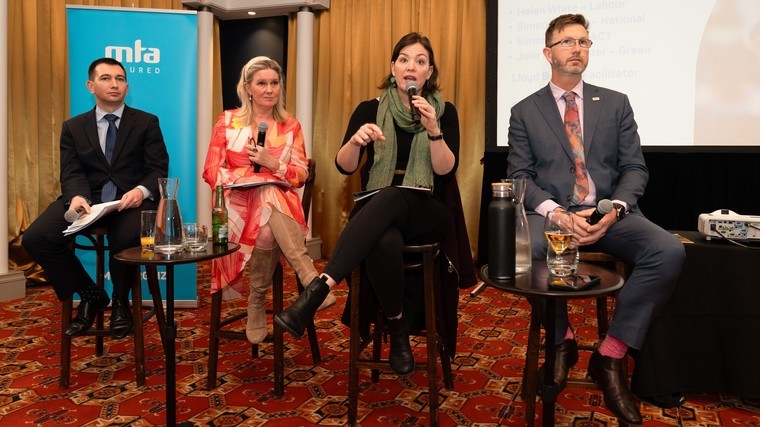
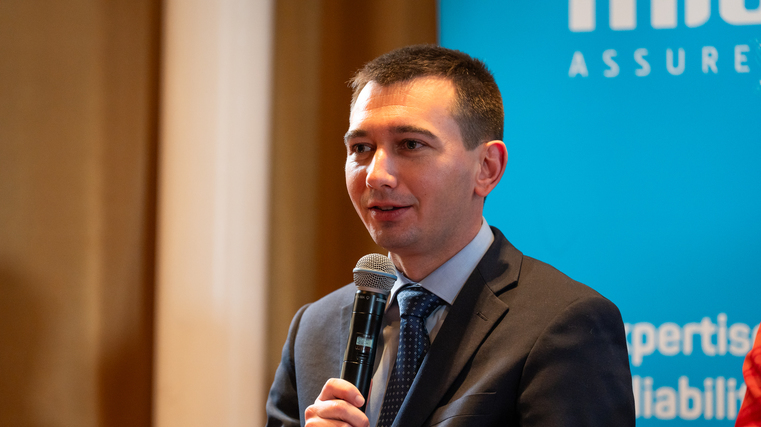
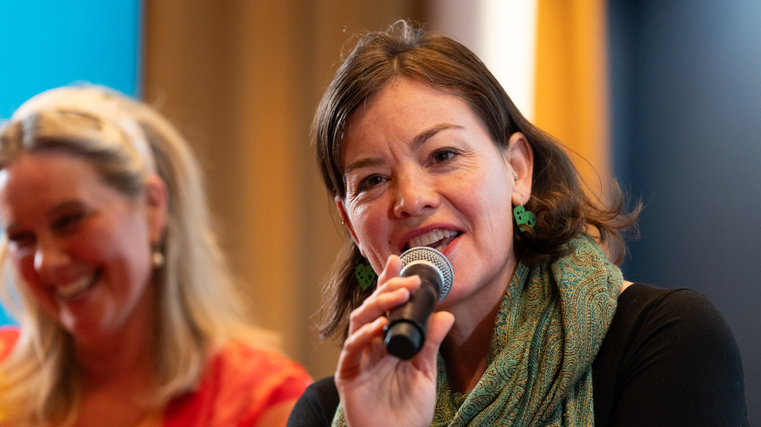
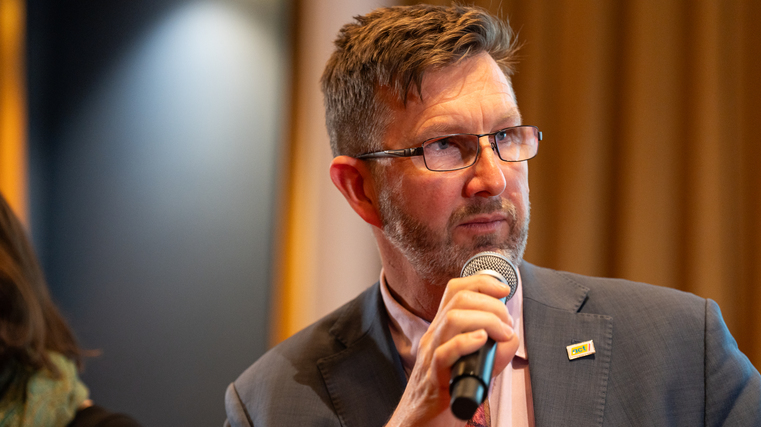
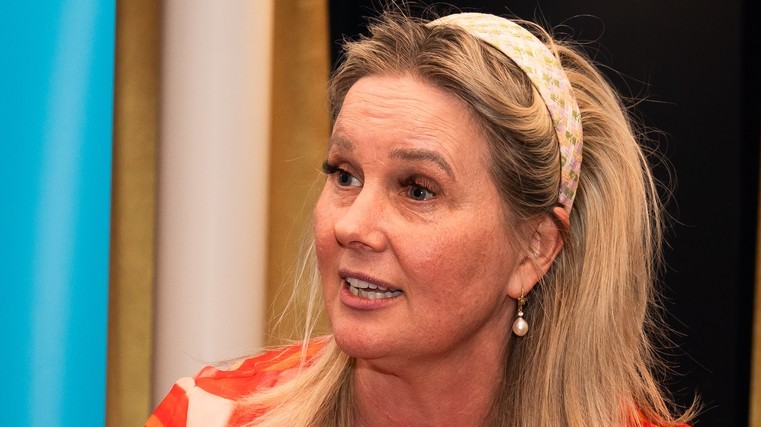
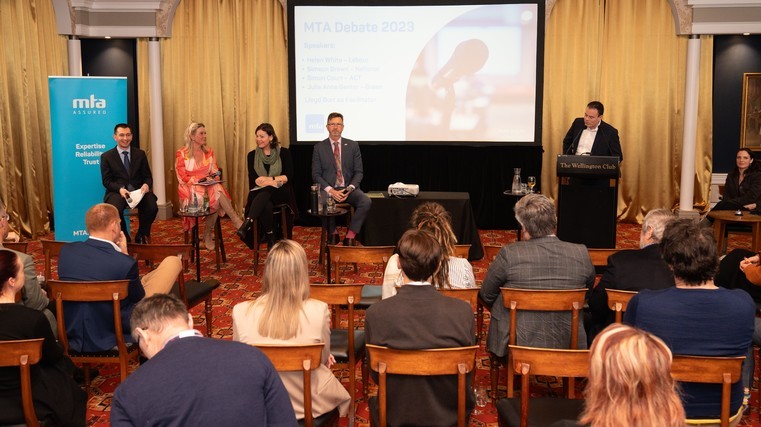
The clean car discount (CCD) emerged as the main dividing issue among the main political parties during a special debate organised by the Motor Trade Association (MTA) ahead of the general election in October.
Representatives from Labour, National, Act and the Green Party took part in the event in Wellington that tackled electric vehicles (EVs), emissions testing, immigration and fair markets, along with other topics.
Lee Marshall, MTA’s chief executive officer, opened the debate by telling the audience the automotive industry contributes $5.5 billion to the New Zealand economy every year but transport risks becoming a “political plaything”.
Questions from Lloyd Burr, debate facilitator and a Newshub political reporter, and from industry members were put to the panel of politicians over the course of nearly two hours.
Transport spokespeople – Simeon Brown for National, Simon Court for Act and Julie Anne Genter for the Greens – joined the debate, along with Labour MP Helen White, who is a member of the transport and infrastructure select committee.
Brown and Court repeated their parties’ pledges to scrap the CCD if they end up being part of the next government, with Act also planning to ditch the clean car standard.
White and Genter defended the policies, which aim to bring more zero and low-emissions vehicles into the fleet.
The Labour MP said the feebate scheme had made a “huge difference in the turnover of vehicles into the second-hand market”, while Genter described it as a fair policy “and the majority of New Zealanders support it”.
Genter added the Greens want to create a transport system less reliant on private vehicles and to also bring more energy-efficient models into the fleet.
The question of what “plan B” would be if shipping lines stopped carrying EVs, following two high-profile cases of such vehicles being blamed for two vessels catching fire in recent times, was also put to the panel during the August 23 event.
Brown said “technology will continue to advance” and manufacturers would have to work out how to reduce the fire risk.
Court echoed those sentiments and told the audience: “Even if international insurers say there’s a problem with shipping certain types of vehicles, I’m confident the international manufacturing industry will sort it out.
“We need to focus on what we can control, which is removing the clean car standard which ties importers up in knots and doesn’t necessarily help us reduce emissions.”
Immigration issues
There was agreement among all four MPs on the need for automotive technicians to have better immigration access to New Zealand, especially those with skills around EVs.
White said the government’s green list of jobs available to immigrant workers was constantly being reviewed but cautioned it must be balanced by there being enough housing and decent wages
Brown criticised how the green list operates and said it was being operated in a political way rather than on what the country needs.
“Where there’s a need for skills, we should be open to bringing those skills into the country,” he added.
Meanwhile, Court claimed the green list was unnecessary and an environment needed to be created where businesses felt confident to bring the right skilled people to New Zealand as the country was in a global “war for talent”.
The current warrant of fitness (WOF) regime also came under scrutiny with broad support for a review of the system, although opinions were mixed on the introduction of regular in-service emissions testing.
Brown stated the 12-month WOF period for vehicles registered after 2000 “probably needs to be moved” and also suggested the current $200 penalty for not having a WOF needed to be looked at.
White and Genter backed the MTA’s calls for engine testing and the latter noted “we have to tackle emissions for vehicles coming into the country and those already on the road”.
White also added that EVs aren’t breaking down in the way cars with internal combustion engines were “and it liberates people from maintenance costs they have been suffering”.
To watch the full debate, click here.