


Inflation tipped to hit 4.2%
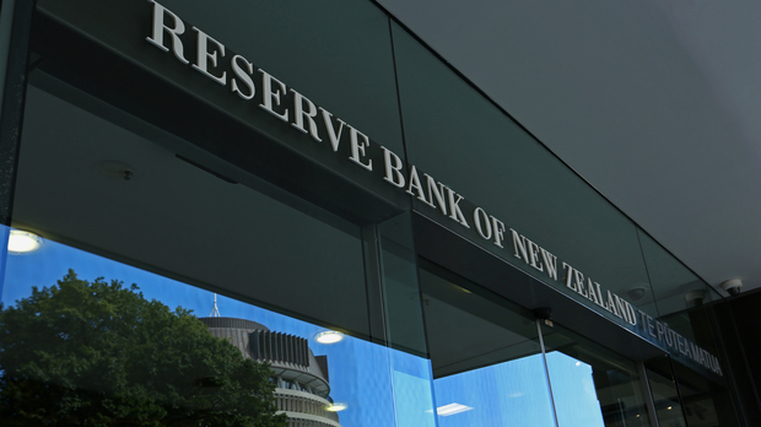
The Reserve Bank of New Zealand has decided to hold the official cash rate (OCR) at 2.25 per cent as it warns supply chain disruptions may lead to inflation climbing as high as 4.2 per cent by the middle of the year.
The bank’s monetary policy committee says that since its statement in February events in the Middle East have materially altered the outlook and the balance of risks for inflation and economic growth in New Zealand.
“In the near term, inflation is expected to increase and the economic recovery to weaken,” it adds.
“The committee is vigilant to any generalised inflationary pressure and stands ready to act to return inflation to its medium-term target.”
Annual consumers price inflation (CPI) increased to 3.1 per cent in the December 2025 quarter, which was slightly above the committee’s one to three per cent target band. Higher oil prices are expected to result in higher headline inflation in the near term.
The committee has updated its forecast for CPI for the first and second quarters of 2026, based on observed higher fuel prices and current futures pricing, and assuming transportation, airfares and food prices will also increase.
“These assumptions result in an inflation forecast of three per cent in the March quarter and 4.2 per cent in the June quarter. The committee see significant uncertainties around this forecast and will update it at coming monetary policy meetings.”
Its April 8 announcement also notes the Middle East conflict has disrupted global supply chains, leading to significantly higher prices for oil and refined petroleum products.
As a result, near-term inflation is increasing and economic growth is weakening in many countries.
“In New Zealand, the extent of the near-term increase in headline inflation will depend on how the conflict in the Middle East evolves and the magnitude and duration of the disruption to global supply chains and energy markets,” it says.
“The committee’s decision to hold the OCR balances the potential benefits of responding pre-emptively to the risk of higher medium-term inflation against the cost of unnecessarily stifling the economic recovery.”
The committee explains it is focused on inflation returning to the two per cent target midpoint over the medium term. This requires core inflation and wage growth to remain contained and medium and long-term inflation expectations to remain at about two per cent. “If these conditions are not met, decisive and timely increases in the OCR would be required.”