

ICE ban set to be biffed by EU
Plans to impose an effective ban on selling new cars with internal combustion engines (ICEs) in the European Union in 2035 have been abandoned.
A senior EU lawmaker says there will be more flexible rules to achieve a reduction in carbon dioxide (CO2) emissions from vehicles instead.
“For new registrations from 2035 onwards, a 90 per cent reduction in emissions will now be mandatory for manufacturers’ fleet targets instead of 100 percent,” Manfred Weber, president of the EPP, the largest party in the European Parliament, has told Germany’s Bild newspaper.
“There will also be no 100 per cent target from 2040 onwards. This means the technology ban on ICEs is off the table. All engines currently manufactured in Germany can continue to be produced and sold.”
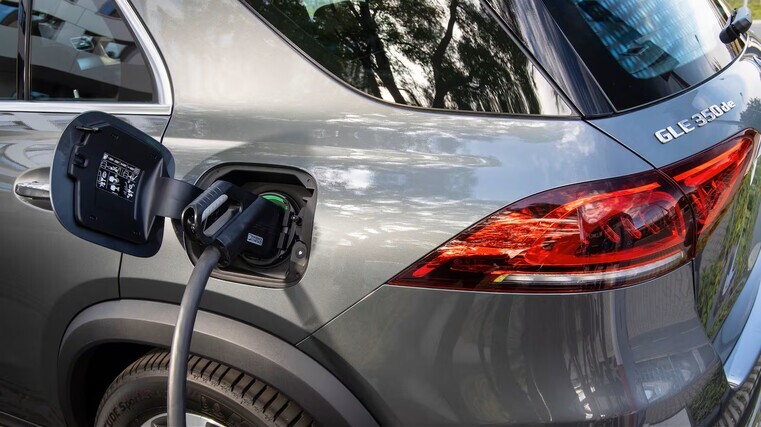
He adds this sends an important signal “to the automotive industry and secures tens of thousands of jobs”. The revised regulation will allow sales of cars with plug-in hybrids (PHEVs) and extended-range EVs (EREVs), which also use an ICE as a generator, beyond 2035.
Weber’s comments mark a key victory for Germany, the bloc’s top economy, in its attempts to protect its most important industry, which is facing pressure from growing competition and trade barriers.
The European Commission is expected to officially present its plans on December 16 as part of a package to help the industry in the face of rising Chinese competition, weak EV sales and high costs. The proposal will then have to be approved by individual governments and the European Parliament.
In 2022, the commission announced all new car and van engines would need to have zero CO2 emissions by 2035, effectively banning sales of petrol and diesel models in favour of battery-electric vehicles.
ICE extension to 2040 is possible
Other media reports state the European Commission is considering a five-year delay to the zero-emissions mandate until 2040 to allow sales of combustion engine cars with PHEV or EREV drivetrains.
The extension would be based on the condition ICEs will run on advanced biofuels and e-fuels made using captured CO2 and renewable electricity, according to Bloomberg sources. Such a design would enable the EU to still aim for having zero-emissions new cars by 2035 depending on the parameters of the proposal.
While e-fuels can be climate neutral, they are expensive and the technology is at an early stage. The emissions benefit of biofuels is hotly debated. One reason for this is the strain they can put on land otherwise used for food production.
The commission’s package is also expected to defer plans to tighten the way PHEV emissions are calculated, a metric known as the utility factor.