

Hardware issue hits Tesla
Tesla promised buyers nearly a decade ago that all its new vehicles had the required hardware to make them fully autonomous when its optional full self-driving (FSD) software was ready in a few years’ time.
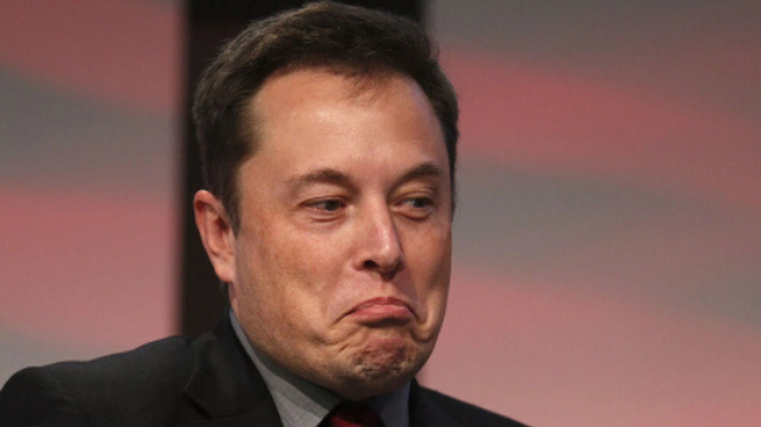
Chief executive Elon Musk, pictured, now acknowledges what some customers already suspected – and that’s millions of cars manufactured before 2023 will need camera and computer upgrades to go driverless.
The company’s hardware issue highlights a growing challenge for the industry as cars become increasingly dependent on computers and sensors that can become outdated before the actual vehicle.
Philip Koopman, an autonomous vehicle (AV) safety expert at Carnegie Mellon University, in Pennsylvania, says: “Everyone who sells a personal AV will have the problem that the computers go stale.”
While computers lose capability over a few years as software grows more complex, the average vehicle lasts more than a decade and some remain on the road twice that long. Some software updates are also needed for safety.
Cars have traditionally operated with dozens or hundreds of computer chips controlling individual functions, so the move towards software-defined models with a few powerful computers makes future upgrades more difficult.
That’s because they rely on one or two computers controlling every system, so the issue is whether that computer will be able to take all the updates needed over a car’s 15 or 20-year life.
Possible solutions, says Koopman, could include a one-time update for personal vehicles as part of the sticker price or a final software version that removes features that can no longer be updated, such as autonomous driving.
“This could dramatically reduce the need for safety and security updates by changing the vehicle from a car that is smart to one that’s dumb, but still drivable,” he told Automotive News.
Lucid Motors, which offers advanced driver-assistance in current models and is developing full autonomy, is using robust hardware components to handle comprehensive software updates.
“We’re also exploring cost-effective opportunities to enable owners to upgrade key hardware,” adds the California-based EV maker in a statement. “We already offer a powerful second-generation infotainment processor upgrade for older Lucid Airs and this has proven popular.”
Tesla’s autonomy problem
Musk says owners with the older Hardware 3 system and FSD software would receive a trade-in bonus towards a model with Tesla’s newer Hardware 4 suite or a free retrofit.
“We’re going to have to set up small factories in major metropolitan areas to do it efficiently,” he explains. “We need many production lines to make the change.”
Musk has yet to confirm how many vehicles will qualify for a retrofit or trade-in bonus. Tesla hasn’t disclosed how many Hardware 3 owners bought FSD software or what the upgrades might cost the company.
The company has yet to launch autonomous capability to owners with FSD software, which has ranged in price from US$8,000 to U $15,000 over the years. It’s now only available as driver assistance, with human supervision, for a monthly subscription of US$99.
In August, a federal judge in California certified a class-action lawsuit against Tesla alleging it made false claims about the autonomous driving capabilities of its vehicles.
Musk said during an earnings call in April that some owners with FSD could get a software update making their vehicles autonomous in 2026’s fourth quarter. That said, driverless cars are subject to state and federal regulations in the US.