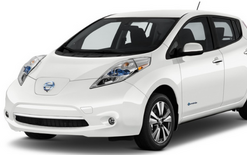


Growing hope for stable EV policies
Drive Electric believes the next government has an opportunity to build greater long-term certainty around accelerating the transition to EVs after the industry group fired a series of questions at political parties.
It says the responses it has received show that while the parties may differ on exactly how New Zealand should support the shift to electric transport, they also reveal common ground in some areas.
National, Labour, the Green Party and the Opportunity Party answered questions Drive Electric asked about vehicle supply, affordability and demand, charging infrastructure, freight and renewable energy.
Kirsten Corson, Drive Electric’s chair, says: “We did not expect every party to agree on every policy lever, and they don’t.
“What is encouraging is the level of alignment around the challenge and the need to move New Zealand towards more electric transport.
“There is recognition that we need to address the affordability of making the switch, continue building charging infrastructure, remove barriers to electrifying commercial transport and ensure our electricity system can support growing demand.”
The questions followed an opinion piece by Corson, published by Newsroom on October 22, which highlighted that New Zealand spent $12.1 billion importing petrol, diesel and other fuels in the year to July 2026, up $2.3b on the year before.
That is about $33 million a day leaving the country, while 88.5 per cent of the country’s electricity is generated from renewable sources here at home.
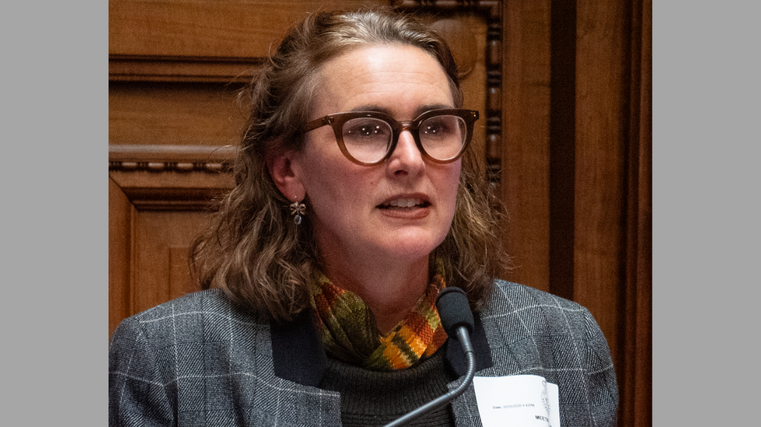
Corson, pictured, explains this makes transport electrification bigger than an environmental issue.
“This is about New Zealand’s economic resilience, energy security and the cost of moving people and goods around the country.
“We currently send $12.1b offshore each year to buy transport fuel while producing predominantly renewable electricity here at home.
“Electrification gives us an opportunity to use more of our own energy and reduce our exposure to the volatility of international fuel prices and supply chains.
“That opportunity will not be realised through industry or consumers acting alone. The government has an important role in creating stable policy settings, removing regulatory barriers and giving businesses and households the confidence to invest.”
Party feedback
Drive Electric’s questions to every political party were:
• How will you get more affordable EVs, new and used, onto our shores?
• How will you help households, businesses and fleets make the switch, especially those who would save the most but can least afford the upfront cost?
• What will you commit to charging, for cars and for trucks, and by when?
• How will you help trucks and commercial fleets, which carry almost everything we buy, move off diesel?
• How will you make sure there is enough renewable generation, and the networks to carry it, as transport electrifies?
The four parties that responded suggested different mechanisms and levels of government intervention to bring about change.
However, Drive Electric says common themes emerged, including improving access to electric transport, continuing investment in supporting infrastructure, addressing barriers to commercial and freight electrification, and ensuring sufficient electricity supply and network capacity.
Corson adds feedback from National, Labour, the Greens and Opportunity is genuinely encouraging. The parties’ full answers have been published on the Drive Electric website.
“Parties from both sides of the house were engaged. They don’t agree on every lever, but there’s a real appetite to move faster. That’s a strong place to start,” she continues.
“None of this is left or right. Cutting a $12b import bill improves the trade balance, takes the cost out of freight and groceries, and strengthens our energy security.
“Every party that answered can see that. Whoever forms the next government, there's a foundation here to build on.
“Our role at Drive Electric is to identify where progress can be made and the responses show there is enough common ground to have a serious conversation after the election about the policy settings New Zealand needs for the next decade – not simply the next three years.”
Policy suggestions
Drive Electric’s manifesto for 2026/2027, released in July, details a plan built on supply, demand and infrastructure policies working together. It follows the group’s State of the Nation 2026 report, launched at Parliament in May.
Corson explains no single policy will accelerate EV uptake on its own as New Zealand needs vehicles that are available and affordable, policy settings that make electric options commercially and financially attractive, and charging and electricity infrastructure capable of supporting the transition.
Some of what the group calls “easy wins” to help more people choose low and zero-emissions vehicles include passing a law so new home chargers can manage when they draw power.
It also recommends extending the existing EV-first rule to all government agencies, unless a business case shows otherwise, and bringing the road-user charges rate for battery EVs into line with those for plug-in hybrids.
Other suggestions are introducing a capped fringe benefit tax exemption for employer-provided EVs and keeping the government’s target for 10,000 public chargers by 2030.
Corson says its recommendations are practical steps every party that answered its questions could get behind.
“What we need now is a long-term plan that outlasts the next election. Investors and households can’t plan around policy that flips every three years. The responses tell us the will is there,” she adds.
“After November 7, Drive Electric wants to work constructively with the new government, opposition parties and industry to turn that common ground into policy settings that provide certainty and accelerate investment.
“The opportunity now is to move beyond debating whether transport should electrify and focus on creating the conditions that allow New Zealand to do it faster, more affordably and at scale.”