

Flat demand in China for ’26
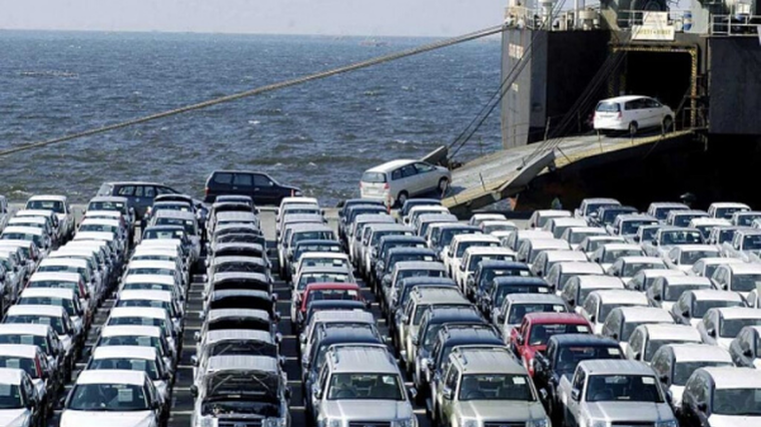
Sales of cars in China are expected to be flat in 2026 and its strong EV exports of last year are unlikely to be sustained, reports an industry association.
Registrations of new vehicles in the world’s largest automotive market climbed by 3.9 per cent in 2025. That was down by growth of 5.3 per cent in 2024 and the slowest in three years, according to the China Passenger Car Association (CPCA).
Electric cars and plug-in hybrids (PHEVs) outsold petrol models for the first time annually, but sales growth of such vehicles fell by 17.6 per cent last year from 40.7 per cent in 2024.
Domestic demand faded in 2025’s last quarter with many cities and provinces lowering or suspending government subsidies for trade-ins due to a funding shortage, intensifying competition and prompting marques to step up overseas expansion to offset this.
BYD posted its weakest sales growth in five years in 2025, but its overseas sales hit a record of more than one million units.
China’s overall car exports increased 19.4 per cent to 5.79m vehicles last year as those of pure EVs jumped by up 48.8 per cent to 1.52m. The CPCA had predicted export growth to slow to 10 per cent in 2025 from 25 per cent a year earlier and anticipated zero growth for EV exports.
Domestically, the electric-car sector will be under pressure to reduce inventories this year, while export growth will likely decrease given a weaker outlook for EVs and falling oil prices. That said, the CPCA expects PHEVs exports to stay strong with such exports predicted to triple in 2026 compared to last year.
The association’s forecast for stagnant domestic car sales this year could put China’s automotive industry on track for its worst year since 2020 when the country was hit by the Covid-19 pandemic.
In addition, the extension of car subsidies as part of China’s consumer goods trade-in programme is unlikely to prevent sales from falling, according to S&P Global Ratings, which warns the revised scheme will add pressure on the likes of Geely and BYD.
The subsidies remain capped at 20,000 yuan – around NZ$5,000 – to trade in old car for an EV, but the scheme has shifted from a fixed rebate to being based on new-vehicle prices. This could reduce incentives on lower-priced models that make up the bulk of new-car sales in China.
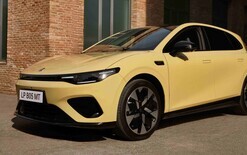
That said, Xiaomi, which makes the SU7 sedan and YU7 SUV, sold more than 410,000 EVs in 2025 and is targeting 550,000 in 2026, while Leapmotor expects 68 per cent growth after its 2025 sales more than doubled from 2024.