


Chip shortage hits profits
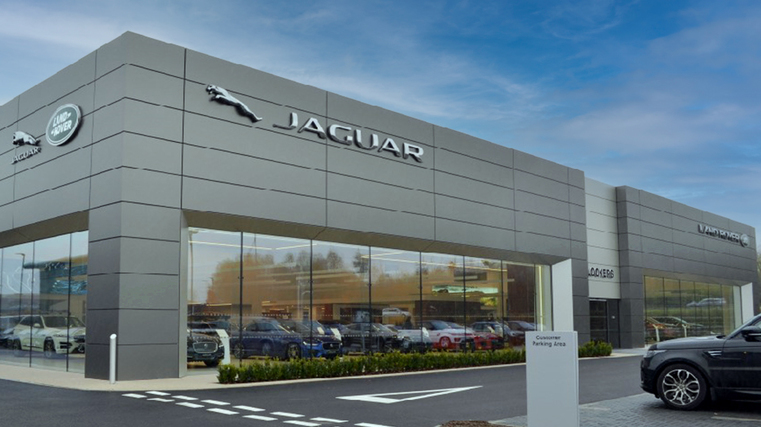
Jaguar Land Rover (JLR) has announced it lost £9 million, or about NZ$18.2m, in the final quarter of 2021 and put part of that down to the global semi-conductor shortage.
The company’s retail sales fell nearly 38 per cent on a year earlier, although revenue was up by 22 per cent to £4.7 billion.
It says car production in most markets has been hit by the continuing supply shortage of semi-conductors, with this problem is likely to continue throughout this year.
“While semi-conductor supplies have continued to constrain sales this quarter, we continue to see strong demand for our products underlining the desirability of our vehicles,” says JLR’s chief executive Thierry Bollore.
A string of other carmakers continue to be hit by the problem. General Motors reports its annual revenue of US$123b, some NZ$184b, was down by 11 per cent year on year, as the pandemic and chip shortages continued to bite.
Chairwoman Mary Barra says: “We’re definitely seeing improvement in the first quarter over the fourth quarter. With the plans we have in place now, we’re going to be really starting to see the semi-conductor constraints diminish.
Volvo saw sales fall by 20 per cent amid the chip shortage. Martin Lundstedt, CEO, says: “The fourth quarter was yet another quarter characterised by the shortages of material, mainly related to semi-conductors and also the lack of capacity, including freight.”
Tesla’s Elon Musk says the effect of the chip shortage on his company is declining. “We still expect to be part or primarily chip-limited this year and that chip limitation should alleviate next year.”
He adds Tesla has spent time re-engineering its vehicles to help mitigate the problem, such as rewriting code, changing chip designs and reducing the number of chips required for each car.
Toyota has fared better, although it has not avoided problems all together. It saw a 48 per cent increase in operating profit on flat sales, largely side-stepping the chip crisis.
In April 2022, Toyota’s president Akio Toyoda told the Japan Automobile Manufacturers’ Association, of which he is also president, “very close communication between automakers, chipmakers and the part suppliers that rely on those chips” had proved important.
Bolstered inventories and improved supply-chain control has put Toyota in a better position than some competing marques.